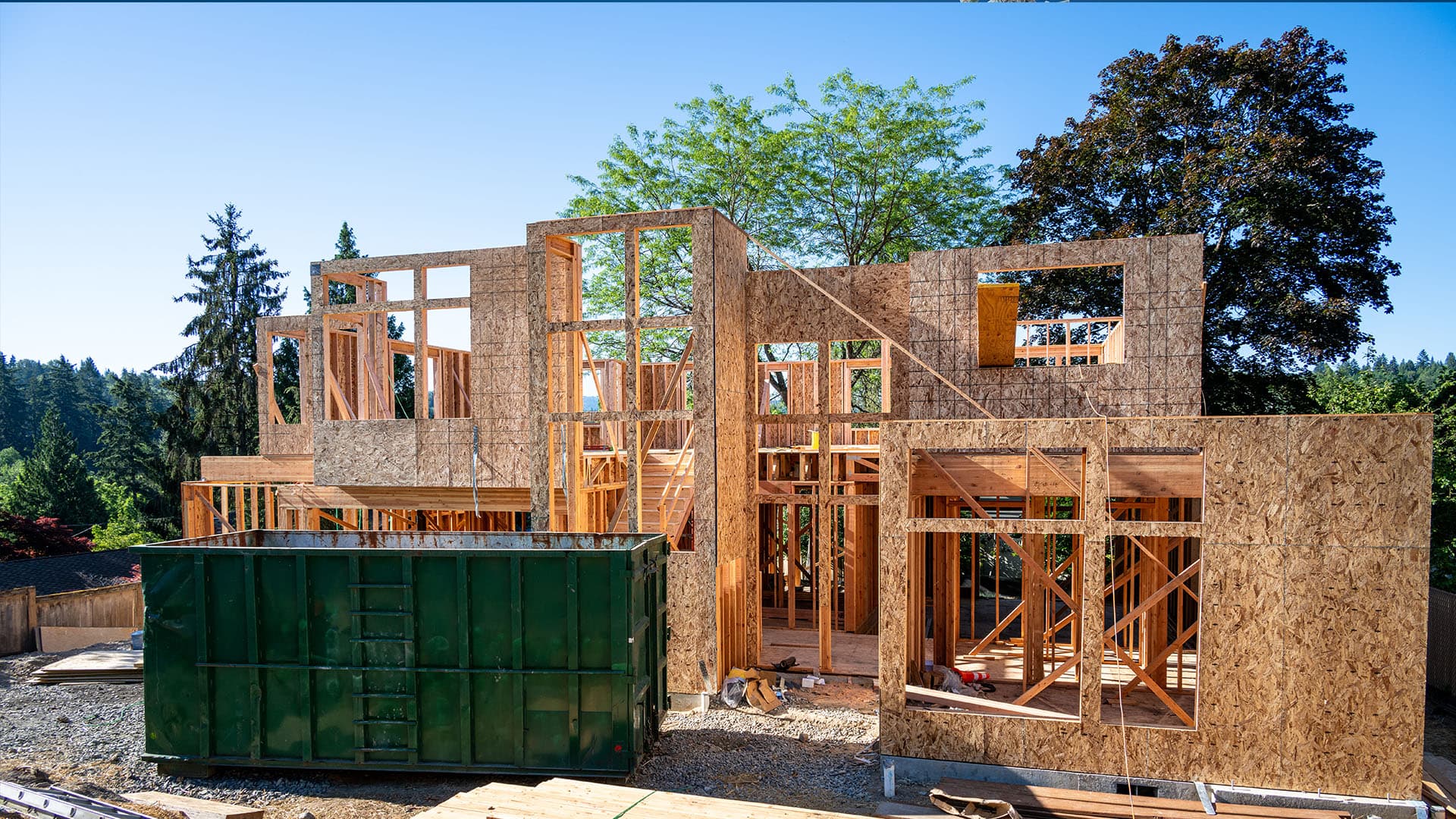
Construction Dumpster Rentals.
Professional construction dumpster rentals for commercial and residential building projects. Compare sizes, prices, and weight limits from verified local providers.
Get quotes for your construction dumpster rentals.
Compare prices from independent local haulers in your ZIP. No broker auctions, no markup.
20-yard prices for construction dumpster rentals in major cities.
Real survey-sourced 7-day rental prices for the most-ordered size for construction dumpster rentals (20-30 Yard) across 20 major US metros. Click any city for the full breakdown.
| City | State | 7-day rental |
|---|---|---|
| Houston | TX | $350–$550 |
| New York City | NY | $500–$700 |
| Los Angeles | CA | $475–$625 |
| Chicago | IL | $375–$500 |
| Phoenix | AZ | $350–$450 |
| Philadelphia | PA | $450–$600 |
| Dallas | TX | $400–$575 |
| Atlanta | GA | $375–$500 |
| Miami | FL | $350–$500 |
| Seattle | WA | $350–$650 |
| Denver | CO | $350–$500 |
| Boston | MA | $500–$675 |
| San Francisco | CA | $525–$700 |
| Detroit | MI | $450–$525 |
| Minneapolis | MN | $400–$600 |
| San Diego | CA | $475–$600 |
| Tampa | FL | $375–$500 |
| Orlando | FL | $300–$350 |
| Charlotte | NC | $400–$550 |
| Las Vegas | NV | $350–$500 |
Source: Town Bins cost guide. See our cost guide →
What this project is.
Construction dumpster rentals provide roll-off containers specifically designed for building projects, accommodating heavy materials like concrete, wood framing, drywall, roofing materials, and general construction debris. Available in sizes from 10 to 40 cubic yards, these containers handle everything from small residential remodels to full-scale commercial builds.
Construction projects generate significant waste that cannot be handled by regular trash service. A dedicated dumpster keeps your job site clean, safe, and OSHA-compliant while providing efficient disposal of heavy materials that would otherwise require dozens of dump runs. For reference, a typical 2,000 sq ft home build generates 8,000+ pounds of waste.
Most construction projects require dumpsters for 1-4 weeks, with the option to extend rental periods as needed. Commercial projects may need multiple containers or longer rental periods.
Sizes that fit.
Small renovations, bathroom remodels, minor demolition work
10-yard guideRoom additions, deck construction, moderate renovation projects
20-yard guideNew home construction, large commercial projects, major demolition
30-yard guideHow long you'll need it.
3-7 days for minor renovations or small demolition jobs
1-3 weeks for room additions, decks, or moderate renovations
2-8 weeks for new home construction or large commercial projects
What it costs.
What the debris weighs.
Heavy materials hit weight limits long before the container looks full. Use this to size up when you're on the line.
| Material | Weight / cu yd | Notes |
|---|---|---|
| Concrete / Masonry | 2,000-4,000 lbs | Extremely heavy — request a dedicated concrete dumpster with lower weight limits |
| Asphalt Shingles | 750-1,000 lbs | One roofing square (100 sq ft) weighs 250-350 lbs |
| Drywall / Sheetrock | 500-750 lbs | Wet drywall is 3-4x heavier than dry |
| Lumber / Wood | 300-600 lbs | Treated lumber weighs more; separate for recycling when possible |
| Mixed Construction Debris | 400-800 lbs | Typical mix of drywall, wood, insulation, and packaging |
| Metal / Rebar | 900-1,500 lbs | Separate metals for scrap recycling to reduce costs |
| Dirt / Fill | 2,200-3,000 lbs | Most providers restrict dirt to smaller containers (10-15 yard) |
Overage fees are typically $50–$100 per ton over the weight limit. Ask your hauler about allowances before loading — most won't volunteer the number.
How to do it right.
Estimate Your Debris Volume
Calculate the amount of construction waste your project will generate. A general rule: 1 cubic yard of dumpster space holds roughly 2-3 contractor trash bags of debris.
- ·Demolition projects typically generate 3-4x more waste than anticipated
- ·Concrete and heavy materials fill dumpsters by weight before volume
- ·A 2,000 sq ft home build produces roughly 8,000 lbs of waste
- ·Consult with your contractor for accurate estimates
Choose the Right Dumpster Size
Select a container that matches your project scope. For construction work, it's better to overestimate than underestimate — overfilled dumpsters cannot be picked up and will delay your project.
- ·20 yard: Small to medium residential projects
- ·30 yard: Most common for new home construction
- ·40 yard: Large commercial projects or major demolition
- ·Consider ordering two smaller dumpsters if you need to separate heavy materials (concrete) from mixed debris
Check Permit Requirements
Most construction sites on private property don't require permits for dumpsters. However, if the container will be placed on a public street, you'll typically need a permit from your city or municipality.
- ·Contact your local building department before delivery
- ·Permit costs typically range from $10-$150
- ·Processing time can be 3-7 business days
- ·Some providers can assist with permit applications
Prepare the Delivery Location
Ensure the delivery area is clear, level, and accessible. Dumpsters require a flat surface and adequate clearance for the delivery truck.
- ·Clear space: 60 feet long x 10-12 feet wide
- ·Check overhead clearance: 23 feet minimum
- ·Use plywood under the dumpster to protect driveways
- ·Ensure truck access — no low-hanging wires or tree branches
Load Efficiently and Safely
Distribute weight evenly, break down large materials, and keep the load level with the top of the container. Never exceed the fill line.
- ·Place heavy materials (concrete, dirt) on the bottom
- ·Break down large items to maximize space
- ·Keep load level — no "pyramiding" above the rim
- ·Don't exceed weight limits (typically 2-4 tons for construction debris)
- ·Prohibited items: hazardous waste, tires, batteries, paint, asbestos
Schedule Pickup
Contact your provider when the project is complete or when the dumpster is full. Most companies offer flexible pickup scheduling.
- ·Give 24-48 hours notice for pickup
- ·Ensure the area around the dumpster is clear for the truck
- ·Remove any prohibited items before pickup
- ·Take photos of the filled container for your records
Do you need a permit?
Permits are typically NOT required when the dumpster sits on private property (your job site, driveway, or parking lot). A permit IS required if the container must be placed on a public street, sidewalk, or right-of-way.
- ·Contact your local building department before delivery
- ·Permit processing takes 3-7 business days in most cities
- ·Some providers assist with permit applications at no extra charge
- ·HOA communities may have separate rules about dumpster placement
- ·Large commercial sites may need additional traffic control permits
What not to do.
- 01Underestimating debris volume — demolition generates 3-4x more waste than expected
- 02Ignoring weight limits — a half-full dumpster of concrete can exceed the weight cap
- 03Mixing heavy materials (concrete, dirt) with general debris instead of using a dedicated container
- 04Placing the dumpster on soft ground without plywood, causing it to sink
- 05Not checking overhead clearance for delivery truck (need 23+ feet)
- 06Waiting until the project is over to order — delivery can take 1-3 days
- 07Throwing prohibited items (paint, chemicals, batteries) into the dumpster
What can be recycled.
Construction and demolition (C&D) debris accounts for over 600 million tons of waste annually in the US. Separating materials can reduce disposal costs by 20-40% and qualifies many projects for LEED credits.
- ·Ask your provider about C&D recycling programs — they may offer lower rates
- ·Separate metals for scrap recycling and potentially earn money back
- ·Clean concrete-only loads qualify for significantly lower disposal rates
- ·Some municipalities require C&D waste recycling plans for permitted projects
Frequently asked.
What size dumpster do I need for a construction project?
For most residential construction projects, a 20-30 yard dumpster is sufficient. Small renovations (bathroom, kitchen) typically need 10-20 yards, while new home construction or large commercial projects usually require 30-40 yard containers. The amount of demolition work significantly impacts size requirements.
How much does a construction dumpster rental cost?
Construction dumpster rentals typically range from $300-$800 depending on size and location. A 20 yard dumpster averages $400-$500, while 30-40 yard containers cost $500-$800. Prices include delivery, pickup, disposal fees, and a rental period of 7-14 days. Overweight charges apply if you exceed the weight limit.
Do I need a permit for a construction dumpster?
Permits are typically required only if the dumpster will be placed on a public street or right-of-way. Dumpsters on private property (your job site, driveway, or parking lot) usually don't require permits. Check with your local city or county building department, as requirements vary by location. Permit costs range from $10-$150.
What can I put in a construction dumpster?
Construction dumpsters accept most building materials including wood, drywall, concrete, asphalt, shingles, metal, flooring, windows, doors, and general construction debris. Prohibited items typically include hazardous waste, chemicals, paint, asbestos, tires, batteries, appliances with refrigerants, and electronics.
How long can I keep a construction dumpster?
Most construction dumpster rentals include a 7-14 day rental period. You can extend the rental for additional daily or weekly fees, typically $5-15 per day. Long-term projects can arrange monthly rentals. Contact your provider before the initial period expires to arrange an extension.
Can I put concrete in a construction dumpster?
Yes, but with important limitations. Concrete is extremely heavy (2,000-4,000 lbs per cubic yard), so most providers limit concrete loads to smaller containers (10-15 yards) with lower weight caps. Some companies offer dedicated concrete-only dumpsters at reduced disposal rates since concrete is recyclable. Never mix concrete with other debris.
What is the weight limit for a construction dumpster?
Weight limits vary by size: 10 yard dumpsters typically allow 2-3 tons, 20 yard allows 3-4 tons, 30 yard allows 4-5 tons, and 40 yard allows 5-6 tons. Heavy materials like concrete and dirt can reach these limits at half capacity. Overage fees are $50-$100 per ton over the limit.
What happens if I overfill the construction dumpster?
Overfilled dumpsters (loaded above the rim or "pyramided") cannot be safely transported and won't be picked up until excess material is removed. You'll need to reduce the load to the fill line. Additionally, if you exceed the weight limit, you'll be charged overage fees, typically $50-100 per ton over the limit.
Verified haulers.

Related projects.
Home Renovation Dumpster Rentals.
Convenient dumpster rentals for home renovation and remodeling projects. Get the right size container for your kitchen, bathroom, or whole-house renovation.
Read the guideRoofing Dumpster Rentals.
Heavy-duty roofing dumpster rentals designed specifically for shingle tear-offs, roof replacements, and roofing debris disposal. Includes weight estimates and size recommendations by roof square footage.
Read the guide