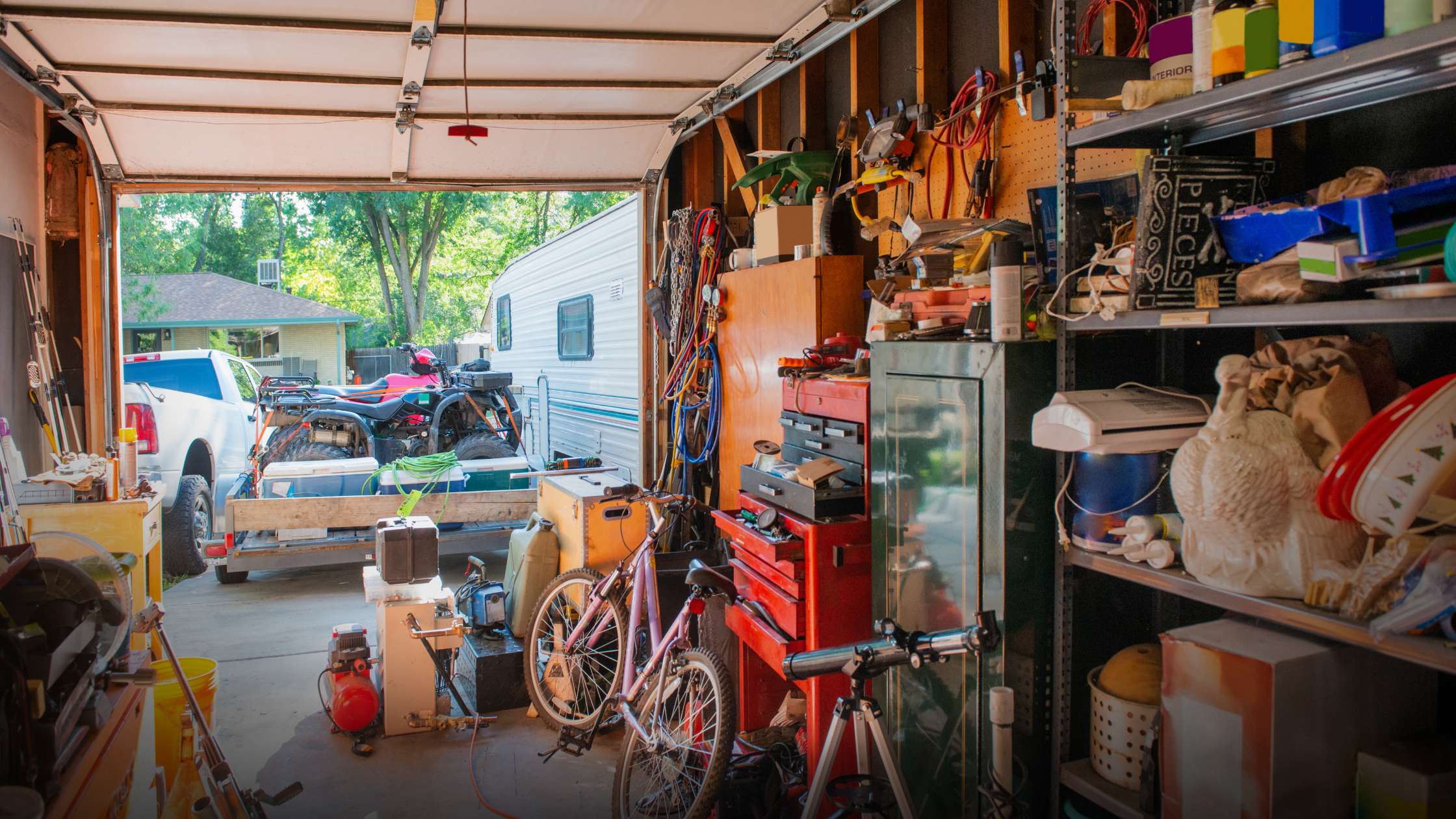
Estate Cleanout Dumpster Rentals.
Professional dumpster rentals for estate cleanouts, inheritance property clearing, and whole-house liquidation projects. Compassionate service with flexible timelines.
Get quotes for your estate cleanout dumpster rentals.
Compare prices from independent local haulers in your ZIP. No broker auctions, no markup.
30-yard prices for estate cleanout dumpster rentals in major cities.
Real survey-sourced 7-day rental prices for the most-ordered size for estate cleanout dumpster rentals (30 Yard) across 20 major US metros. Click any city for the full breakdown.
| City | State | 7-day rental |
|---|---|---|
| Houston | TX | $375–$625 |
| New York City | NY | $550–$800 |
| Los Angeles | CA | $525–$725 |
| Chicago | IL | $425–$575 |
| Phoenix | AZ | $375–$525 |
| Philadelphia | PA | $500–$700 |
| Dallas | TX | $450–$650 |
| Atlanta | GA | $425–$575 |
| Miami | FL | $375–$575 |
| Seattle | WA | $375–$750 |
| Denver | CO | $375–$575 |
| Boston | MA | $550–$775 |
| San Francisco | CA | $575–$800 |
| Detroit | MI | $500–$600 |
| Minneapolis | MN | $450–$700 |
| San Diego | CA | $525–$700 |
| Tampa | FL | $425–$575 |
| Orlando | FL | $325–$400 |
| Charlotte | NC | $450–$625 |
| Las Vegas | NV | $375–$575 |
Source: Town Bins cost guide. See our cost guide →
What this project is.
Estate cleanout dumpsters provide comprehensive waste removal for clearing entire properties after inheritance, downsizing, or liquidation. These projects often require 30-40 yard containers or multiple rentals to handle furniture, belongings, and household items accumulated over years or decades.
Estate cleanouts involve clearing entire households, often accumulated over lifetimes. The volume is overwhelming for regular disposal — a fully furnished 2,000 sq ft home can fill 2-3 thirty-yard dumpsters. A phased dumpster rental allows systematic clearing while giving family members time to sort through belongings, identify valuables, and coordinate donations before disposal.
Estate cleanouts typically require 1-3 weeks. Allow time for family coordination, sorting valuables from disposal items, coordinating donations, and systematic room-by-room clearing. Many projects need multiple dumpsters delivered in phases.
Sizes that fit.
Single room or partial estate cleanout, condo or apartment
15-yard guideFull house cleanout, average-sized home (1,500-2,500 sq ft)
30-yard guideLarge estate, multi-level home, or accumulated belongings over decades
40-yard guideHow long you'll need it.
3-5 days for a condo, apartment, or partial house cleanout
1-2 weeks for a full average-sized home with family coordination
2-4 weeks for a large estate or hoarding situation with multiple dumpsters
What it costs.
What the debris weighs.
Heavy materials hit weight limits long before the container looks full. Use this to size up when you're on the line.
| Material | Weight / cu yd | Notes |
|---|---|---|
| Furniture / Upholstery | 200-400 lbs | Disassemble large pieces; couches and mattresses take up significant volume |
| Books / Documents | 700-1,000 lbs | Surprisingly heavy — a few boxes of books add serious weight |
| Clothing / Linens | 100-200 lbs | Very lightweight; better donated than disposed |
| Kitchen Items / Dishware | 400-700 lbs | Ceramics and glassware add weight quickly |
| Appliances | 300-700 lbs | Remove refrigerant units separately; others are fine in dumpsters |
| Mixed Household Contents | 300-500 lbs | Typical weight for a mixed load from an estate cleanout |
Overage fees are typically $50–$100 per ton over the weight limit. Ask your hauler about allowances before loading — most won't volunteer the number.
How to do it right.
Assess the Full Scope
Walk through the entire property and estimate volume. Estate cleanouts almost always exceed initial estimates, so plan for larger or multiple containers.
- ·Check every room, closet, basement, attic, and garage
- ·Apartments/condos: 15-20 yard typically sufficient
- ·Average home (1,500-2,500 sq ft): 30-40 yard or multiple containers
- ·Large estates: Plan for multiple 30-40 yard containers
- ·Hoarding situations require special consideration and extra time
Coordinate with Family and Heirs
Before renting a dumpster, ensure all family members have had opportunity to claim items of sentimental or monetary value. This prevents regret and family conflicts.
- ·Give family members a specific deadline to review items
- ·Take photos of items before disposal for records
- ·Document valuable items separately for potential appraisal
- ·Consider hiring an estate sale professional for high-value estates
- ·Agree on what items can be donated vs. disposed
Separate Valuables and Donations
Many estate items have value or can benefit charities. Sort items into categories: keep, sell, donate, and dispose. This reduces disposal costs and honors the estate.
- ·Habitat for Humanity ReStore: Furniture, appliances, building materials
- ·Goodwill/Salvation Army: Clothing, housewares, books
- ·Electronics recycling centers: TVs, computers, phones
- ·Antique dealers: Valuables, collectibles, quality furniture
- ·Consider estate sale before dumpster delivery to recover costs
Choose the Right Dumpster Strategy
Decide between one large container or multiple smaller deliveries. A phased approach allows sorting and prevents feeling overwhelmed.
- ·Option 1: Single large container (30-40 yard) for fast cleanout
- ·Option 2: Multiple 20 yard containers delivered in phases
- ·Phased approach better for families who need time to sort
- ·Single container better for hired cleanout crews
- ·Rental periods of 2-3 weeks common for estate work
Work Systematically Room by Room
Clear one room at a time to maintain organization and prevent being overwhelmed. Start with less emotional spaces like garages before tackling personal areas.
- ·Start with garage, basement, or attic (less emotional)
- ·Move to kitchen, bathrooms (functional spaces)
- ·Leave bedrooms and personal spaces for later (more emotional)
- ·Mark rooms as complete to track progress
- ·Take breaks — estate cleanouts are physically and emotionally draining
Handle Special Disposal Items
Certain items require special handling and cannot go in dumpsters. Identify these early to arrange proper disposal.
- ·Hazardous: Paint, chemicals, propane, automotive fluids
- ·Electronics: E-waste recycling required in many states
- ·Mattresses: Some areas charge disposal fees ($20-50 each)
- ·Appliances with refrigerant: Special pickup required
- ·Documents: Shred sensitive papers, don't just throw away
- ·Medications: Return to pharmacy take-back programs
Do you need a permit?
Estate cleanout dumpsters are typically placed on the property's driveway, requiring no permit. Street permits are needed only if driveway space is unavailable. Extended rental periods are common for estate work and generally do not trigger additional permitting.
- ·Driveway placement is standard — no permit required in most cities
- ·If the estate property has limited access, discuss placement options with your provider
- ·Vacant property? Ensure the dumpster is visible and not a target for illegal dumping
- ·Some cities offer expedited permits for estate settlement situations
What not to do.
- 01Not allowing family members enough time to claim sentimental items before ordering the dumpster
- 02Throwing away potentially valuable items — have antiques appraised first
- 03Skipping the donation step — estate items are often high-quality and charities need them
- 04Ordering one container when most full-house cleanouts require 2-3
- 05Not shredding sensitive documents (financial records, medical info, personal letters)
- 06Disposing of medications in the dumpster instead of using pharmacy take-back programs
- 07Rushing the process — estate cleanouts are physically and emotionally exhausting
What can be recycled.
Estate cleanouts present the greatest opportunity for donation and reuse. Many items accumulated over a lifetime are still functional and valuable. Prioritizing donation over disposal reduces costs, provides tax deductions, and honors the property owner's belongings.
- ·Schedule donation pickups 1-2 weeks before dumpster delivery
- ·Hold an estate sale first to recover costs and reduce disposal volume
- ·Donate to Habitat for Humanity ReStore — they pick up furniture and building materials
- ·Keep receipts for all donations — they are tax-deductible
- ·Post usable items on Buy Nothing groups or Freecycle for free neighborhood pickup
Frequently asked.
What size dumpster do I need for an estate cleanout?
For full estate cleanouts: apartments and condos typically need a 15-20 yard dumpster, average homes (1,500-2,500 sq ft) need a 30 yard container, and large estates need 40 yard containers or multiple rentals. Most estate cleanouts are larger than initially estimated, so plan conservatively.
How much does an estate cleanout dumpster cost?
Estate cleanout dumpster rentals typically cost $350-$800 per container depending on size. A 30 yard container averages $500-$650 for 2 weeks. Many estate cleanouts require multiple containers or extended rental periods, with total costs ranging from $800-$2,000+ for complete house clearing.
How long does an estate cleanout take?
Estate cleanouts typically take 1-3 weeks depending on property size and family involvement. Hired professionals can clear an average home in 2-5 days, while families sorting through belongings and coordinating with heirs often need 2-3 weeks. Allow extra time for emotional processing and decision-making.
What can I put in an estate cleanout dumpster?
Estate dumpsters accept most household items: furniture, clothing, books, kitchenware, carpeting, non-refrigerant appliances, boxes, and general household contents. Prohibited items include hazardous materials, paint, chemicals, electronics (in some areas), appliances with refrigerant, and tires.
Should I donate items before renting a dumpster?
Yes, always coordinate donations before the dumpster arrives. Many estate items are valuable or useful to charities. Donating reduces disposal costs, may provide tax deductions, and honors the deceased's belongings. Schedule charity pickups (Habitat for Humanity, Goodwill) before dumpster delivery.
Can I get help with an estate cleanout?
Yes, many providers work with estate cleanout companies and can recommend professional services. Options include: full-service estate cleanout companies (handle everything), estate sale professionals (liquidate valuables first), or junk removal services. Professional help significantly reduces stress and time for families.
What do I do with important documents during an estate cleanout?
Sort documents carefully before disposal. Keep: wills, deeds, titles, insurance policies, tax returns (7 years), birth/death certificates. Shred: financial statements, bills, personal correspondence. Never throw sensitive documents in a dumpster unshredded. Consult with estate attorney about retention requirements.
Is one dumpster enough for a full estate cleanout?
It depends on the property size and contents. A well-organized small home might fit in one 30-40 yard container, but most full estate cleanouts require 2-3 dumpsters. Consider a phased approach: first container for obvious trash, second after coordinating donations and sales, third for final cleaning.
Verified haulers.

Related projects.
Garage Cleanout Dumpster Rentals.
Convenient dumpster rentals for garage cleanouts, decluttering projects, and removing years of accumulated items. Includes size recommendations by garage type.
Read the guideMoving Dumpster Rentals.
Smart dumpster rentals for moving projects — declutter and purge before packing to reduce moving costs and start fresh in your new home.
Read the guide