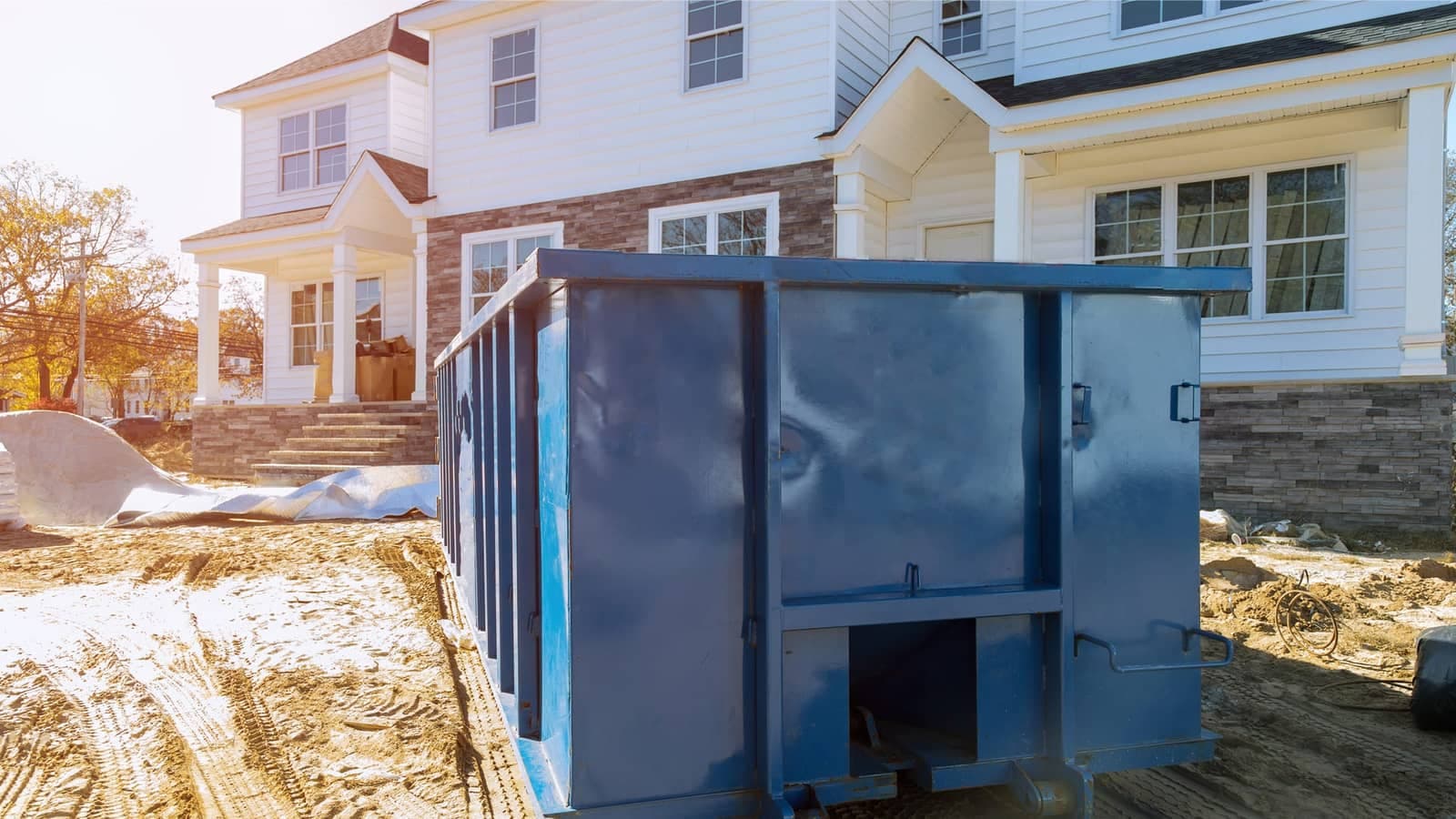
Yard Waste Removal Dumpster Rentals.
Eco-friendly yard waste dumpster rentals for landscaping projects, tree removal, seasonal cleanup, and green waste disposal.
Get quotes for your yard waste removal dumpster rentals.
Compare prices from independent local haulers in your ZIP. No broker auctions, no markup.
20-yard prices for yard waste removal dumpster rentals in major cities.
Real survey-sourced 7-day rental prices for the most-ordered size for yard waste removal dumpster rentals (20 Yard) across 20 major US metros. Click any city for the full breakdown.
| City | State | 7-day rental |
|---|---|---|
| Houston | TX | $350–$550 |
| New York City | NY | $500–$700 |
| Los Angeles | CA | $475–$625 |
| Chicago | IL | $375–$500 |
| Phoenix | AZ | $350–$450 |
| Philadelphia | PA | $450–$600 |
| Dallas | TX | $400–$575 |
| Atlanta | GA | $375–$500 |
| Miami | FL | $350–$500 |
| Seattle | WA | $350–$650 |
| Denver | CO | $350–$500 |
| Boston | MA | $500–$675 |
| San Francisco | CA | $525–$700 |
| Detroit | MI | $450–$525 |
| Minneapolis | MN | $400–$600 |
| San Diego | CA | $475–$600 |
| Tampa | FL | $375–$500 |
| Orlando | FL | $300–$350 |
| Charlotte | NC | $400–$550 |
| Las Vegas | NV | $350–$500 |
Source: Town Bins cost guide. See our cost guide →
What this project is.
Yard waste dumpsters are containers designed for organic debris from landscaping, tree removal, and property maintenance. Many providers offer dedicated green waste containers that ensure proper composting or recycling. Available in 10-30 yard sizes for everything from weekend cleanups to full land clearing.
Yard waste projects generate massive volumes of bulky, lightweight debris that regular trash service cannot handle. A single large tree can fill an entire 20-yard container. A dedicated dumpster provides efficient disposal while supporting eco-friendly recycling — and many municipalities actually require organic waste to be separated from regular trash.
Most yard waste projects require dumpsters for 3-7 days. Spring and fall cleanups typically need weekend rentals (3-4 days), while major landscaping or tree removal may need 1-2 weeks.
Sizes that fit.
Seasonal cleanup, small tree removal, garden renovation
10-yard guideLarge tree removal, major landscaping project, storm cleanup
20-yard guideLand clearing, multiple tree removal, commercial landscaping
30-yard guideHow long you'll need it.
2-4 days for seasonal cleanup or small garden project
5-7 days for large tree removal or major landscaping
1-2 weeks for land clearing or commercial landscaping
What it costs.
What the debris weighs.
Heavy materials hit weight limits long before the container looks full. Use this to size up when you're on the line.
| Material | Weight / cu yd | Notes |
|---|---|---|
| Green Branches (fresh) | 400-800 lbs | Fresh-cut branches are much heavier than dried; volume is the main concern |
| Dry Branches / Brush | 150-300 lbs | Cut to 4-foot lengths to maximize space usage |
| Leaves (loose) | 150-250 lbs | Wet leaves compress significantly and add weight fast |
| Grass Clippings | 400-800 lbs | Fresh grass is very heavy; dry first if possible |
| Topsoil / Dirt | 2,000-2,700 lbs | Most providers restrict dirt — confirm before loading |
| Tree Stumps | 800-1,500 lbs | Stumps with root balls are very heavy and bulky |
Overage fees are typically $50–$100 per ton over the weight limit. Ask your hauler about allowances before loading — most won't volunteer the number.
How to do it right.
Estimate Your Yard Waste Volume
Calculate debris from your landscaping project. Yard waste is deceptively bulky — a single large tree can fill a 20-yard container.
- ·Single large tree: 15-20 yard dumpster
- ·Multiple trees or land clearing: 30 yard or multiple containers
- ·Seasonal cleanup: 10-15 yard typically sufficient
- ·Wet leaves compress significantly — estimate conservatively
Check Local Green Waste Requirements
Many areas have specific regulations about yard waste disposal. Some providers offer discounted rates for pure green waste that can be composted.
- ·Ask if provider offers dedicated yard waste containers
- ·Verify what qualifies as "green waste" in your area
- ·Some areas prohibit dirt, rocks, or treated wood in green waste
- ·Composting facilities may have lower disposal fees
Choose the Right Container Size
Yard waste containers come in standard roll-off sizes. Consider that branches and brush take more space than you expect.
- ·10 yard: 1-2 small trees, seasonal cleanup
- ·20 yard: Large tree, major landscaping project
- ·30 yard: Multiple trees, land clearing
- ·Can you break down or chip branches? This saves significant space
Prepare Your Delivery Area
Ensure clear access for the delivery truck and a flat, stable surface for the container. Protect driveways from heavy containers.
- ·Place plywood under container to prevent driveway damage
- ·Avoid placing on grass if ground is soft or wet
- ·Ensure 60 feet of clear access for delivery truck
- ·Check for overhead power lines near trees
Load Efficiently
Break down branches, compact when possible, and distribute weight evenly. Maximize space by cutting long branches to fit.
- ·Cut branches to 4-foot lengths or shorter
- ·Layer and compact as you load
- ·Place heaviest items (stumps, logs) on bottom
- ·Don't mix non-organic waste (rocks, dirt) unless permitted
- ·Keep load level with container rim
Schedule Pickup and Recycling
Contact your provider when finished. Ask about their recycling process — most yard waste is composted or converted to mulch.
- ·Give 24-48 hours notice for pickup
- ·Ask if provider offers proof of recycling/composting
- ·Consider keeping finished compost for your garden
- ·Schedule pickup before rental period expires to avoid fees
Do you need a permit?
Yard waste dumpsters on your driveway or property rarely need permits. Placement on a public street requires a permit in most cities. Seasonal green waste rules may apply in some municipalities.
- ·Most yard waste projects place containers on driveways — no permit needed
- ·Check if your city has seasonal yard waste collection that could supplement your dumpster
- ·Some areas prohibit burning as an alternative — a dumpster is the compliant option
- ·HOA rules may limit how long a dumpster can stay on your property
What not to do.
- 01Underestimating how much space branches take up — they don't compress like other debris
- 02Not cutting branches to 4-foot lengths, wasting 30-40% of container space
- 03Mixing dirt or rocks into a green waste-only container (higher disposal fees)
- 04Loading wet grass clippings without accounting for the extra weight
- 05Forgetting about tree stumps and root balls — these are extremely heavy and bulky
- 06Not asking about green waste-specific containers that offer lower disposal rates
What can be recycled.
Yard waste is one of the most recyclable waste streams. Over 35 states prohibit or discourage yard waste in landfills. Composting facilities convert branches, leaves, and grass into mulch and compost products, reducing methane emissions from landfill decomposition.
- ·Ask your provider about green waste-only containers — disposal rates are often 30-50% less
- ·Keep loads pure (no dirt, rocks, or trash mixed in) to qualify for composting rates
- ·Consider renting a chipper for branches to reduce volume by 75%
- ·Some providers return finished compost or mulch — great for your garden
Frequently asked.
What size dumpster do I need for yard waste?
For typical yard waste projects: seasonal cleanup needs 10-15 yards, single large tree removal needs 15-20 yards, and major landscaping or multiple tree removal needs 20-30 yards. Yard waste is bulky and lightweight, so size for volume rather than weight.
How much does a yard waste dumpster rental cost?
Yard waste dumpster rentals typically cost $200-$500 depending on size and location. A 15-20 yard container averages $300-$400. Some providers offer discounted rates for pure green waste since it can be composted rather than landfilled, potentially saving $50-100.
Can I put dirt and rocks in a yard waste dumpster?
It depends on your provider and local regulations. Pure "green waste" containers accept only organic materials (branches, leaves, grass). Standard yard debris dumpsters may allow dirt and rocks but with weight restrictions — dirt weighs 2,000-2,700 lbs per cubic yard. Always ask your provider before loading non-organic materials.
What cannot go in a yard waste dumpster?
Prohibited items typically include: treated lumber, railroad ties, construction debris, household trash, plastic pots and containers, metal fencing, concrete, and hazardous materials. Stick to organic yard waste: branches, leaves, grass, shrubs, and untreated wood.
Do I need to cut branches before loading?
Yes, cutting branches to 4-6 feet or shorter makes loading more efficient and maximizes space. Many providers require branches be cut to fit within the container dimensions. Breaking down large items prevents wasted space and ensures the container can be safely picked up.
Is yard waste recycled or sent to landfills?
Most yard waste is recycled through composting facilities or converted to mulch rather than sent to landfills. Over 35 states prohibit or discourage yard waste in landfills to reduce methane emissions. Ask your provider about their recycling process — reputable companies can provide documentation.
When is the best time to rent a yard waste dumpster?
Spring (March-May) and fall (September-November) are peak seasons for yard waste projects, so book 1-2 weeks in advance. Summer is ideal for tree removal and major landscaping. Winter typically has lower demand and better availability, though frozen ground may complicate delivery.
Can I mix different types of yard waste in one dumpster?
Yes, you can mix branches, leaves, grass clippings, and shrubs in one container. However, don't mix yard waste with construction debris, household trash, or dirt unless your provider specifically allows it. Keeping loads pure (green waste only) often qualifies for lower disposal fees.
Verified haulers.

Related projects.
Landscaping Dumpster Rentals.
Dumpster rentals for landscaping and hardscape projects including patio demolition, retaining wall removal, garden overhaul, and outdoor living space renovation.
Read the guideStorm Debris Dumpster Rentals.
Emergency dumpster rentals for storm damage cleanup — hurricanes, tornadoes, wind damage, and natural disaster debris removal with insurance reimbursement guidance.
Read the guide