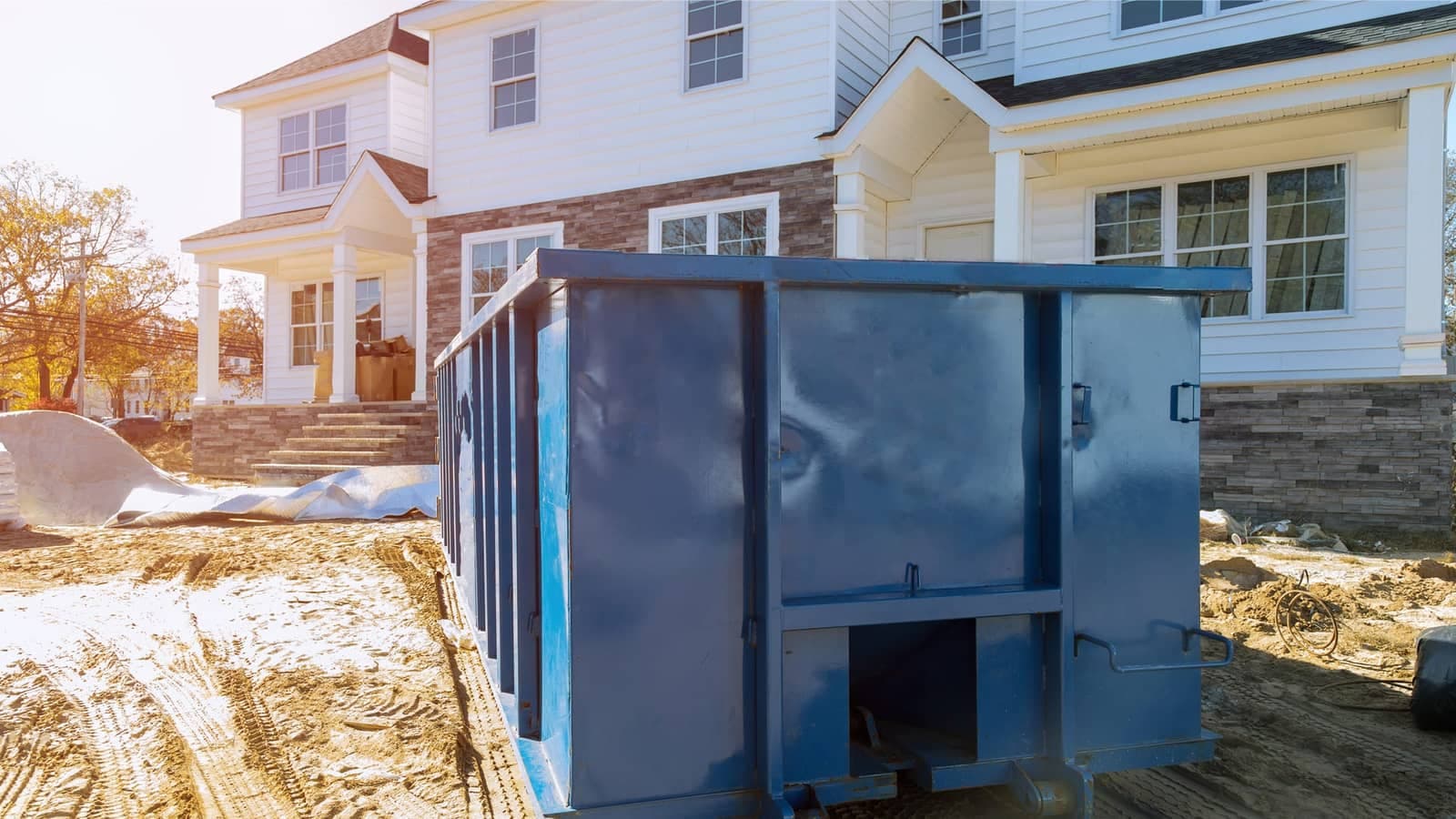
Flooring Removal Dumpster Rentals.
Convenient dumpster rentals for flooring removal and replacement projects. Get the right size container for carpet removal, tile tearout, hardwood flooring, or whole-home floor replacement.
Get quotes for your flooring removal dumpster rentals.
Compare prices from independent local haulers in your ZIP. No broker auctions, no markup.
What this project is.
Flooring removal dumpsters are roll-off containers sized for flooring replacement projects — from a single room carpet tearout to a whole-home tile removal. Common sizes range from 10 to 20 cubic yards. Tile and concrete backerboard are surprisingly heavy, so weight limits matter more than visual volume for tile removal projects.
Flooring removal generates bulky, awkward debris that quickly overwhelms residential trash bins. A 500 sq ft carpet removal produces 15-20 garbage bags worth of material. Tile weighs 6-10 lbs per square foot, and a kitchen tile tearout can easily generate 2,000-3,000 lbs of debris. A properly sized dumpster lets you work continuously without stopping to haul materials to the dump, keeping your renovation on schedule.
Most flooring removal projects take 3-7 days of dumpster rental. Single-room jobs can be completed in 1-2 days. Multi-room or whole-home flooring replacement typically takes 5-10 days for the flooring crew, with the dumpster needed for the duration.
Sizes that fit.
Single room carpet removal, small tile tearout, bathroom or kitchen floor replacement
10-yard guideMulti-room flooring removal, full main floor replacement, 1,000-2,000 sq ft
15-yard guideWhole-home floor replacement, large commercial space, tile over entire home
20-yard guideHow long you'll need it.
1-3 days for a single room carpet removal or small tile tearout
4-7 days for multi-room flooring removal or full main floor replacement
1-2 weeks for whole-home flooring replacement or large commercial space
What it costs.
What the debris weighs.
Heavy materials hit weight limits long before the container looks full. Use this to size up when you're on the line.
| Material | Weight / cu yd | Notes |
|---|---|---|
| Ceramic / Porcelain Tile | 1,500-2,500 lbs | Heavy — factor weight first for tile jobs; a 10 yard container fills weight limit fast |
| Carpet and Padding | 200-400 lbs | Lightweight but bulky; roll tightly to maximize dumpster space |
| Hardwood Flooring | 500-900 lbs | Moderate weight; stack boards flat to maximize load density |
| Laminate / Vinyl Plank | 300-600 lbs | Relatively light; can be loaded loosely without major weight concerns |
| Concrete Backerboard | 2,000-3,000 lbs | Extremely heavy — often heavier than the tile itself; factor carefully |
| Mixed Flooring Debris | 600-1,200 lbs | Varies widely; tile-heavy loads hit limits before containers are full |
Overage fees are typically $50–$100 per ton over the weight limit. Ask your hauler about allowances before loading — most won't volunteer the number.
How to do it right.
Calculate Your Flooring Square Footage
Measure each room being cleared and calculate total square footage. This determines both dumpster size and, for tile, whether weight limits will be a factor.
- ·Multiply room length by width for each space
- ·Add 10% buffer for hallways, closets, and transitions
- ·Tile: Budget for 6-10 lbs per sq ft (tile + backerboard combined)
- ·Carpet: Budget for 1-2 lbs per sq ft — weight is rarely the issue
- ·Mixed project: Weight-limit risk comes from tile sections, not carpet
Choose the Right Dumpster Size
Size selection for flooring is driven by both volume and material weight. Tile jobs are weight-limited, not volume-limited.
- ·Carpet-only projects: 10 yard handles up to 3-4 rooms
- ·Tile up to 1,000 sq ft: 10 yard — at or near weight limit
- ·Tile 1,000-2,000 sq ft: 15-20 yard to spread the weight
- ·Whole-home replacement: 20-30 yard depending on materials
- ·Ask provider about weight limits — standard is 2-3 tons on 10 yard containers
Prepare Rooms Before Flooring Removal
Clear furniture and appliances from all rooms before the flooring crew arrives. Move appliances out of kitchens and bathrooms. This prevents delays and protects the new flooring.
- ·Move all furniture to an adjacent room or rental storage
- ·Disconnect appliances: refrigerators, dishwashers, stoves
- ·Remove baseboards and quarter-round before flooring work begins
- ·Mark areas where flooring meets carpet in other rooms
- ·Cover HVAC registers to keep dust out of the system
Check for Asbestos and Lead Paint
In homes built before 1980, vinyl flooring, floor tile adhesive, and some carpet backing may contain asbestos. Test before removal if there is any uncertainty.
- ·Asbestos is commonly found in 9x9 inch vinyl tiles (pre-1980), sheet vinyl backing, and black mastic adhesive
- ·Test kits are available at hardware stores, or hire a certified inspector
- ·Do NOT sand, grind, or power-strip potential ACM flooring without testing first
- ·Lead paint may be present on subfloor areas — relevant if sanding is involved
- ·Licensed abatement is required for confirmed asbestos-containing materials
Load the Dumpster Efficiently
Load flooring debris to maximize space and stay within weight limits. Roll carpet tightly, break tile into manageable pieces, and stack wood flooring flat.
- ·Roll carpet tightly into cylinders — loose carpet wastes 50% of container space
- ·Break up large tile pieces for denser packing
- ·Stack hardwood planks flat and tight
- ·Distribute tile across the dumpster rather than piling in one area
- ·Alternate heavy and light materials to balance the load
Final Subfloor Inspection and Cleanup
After flooring removal, inspect the subfloor for damage, rot, squeaks, or uneven spots before new flooring is installed. Subfloor repairs are much easier before new materials are down.
- ·Walk the entire subfloor, pressing down to find soft spots
- ·Check for water damage around sinks, toilets, and dishwashers
- ·Renail or screw down squeaky sections with flooring screws
- ·Fill low spots with floor-leveling compound before new installation
- ·Remove all old adhesive, staples, and fasteners for a clean surface
Do you need a permit?
Flooring removal dumpsters rarely require permits when placed on your driveway. A permit is only needed if the dumpster must be placed on a public street. Short rental periods (3-7 days) are common for flooring projects and typically do not trigger any additional requirements.
- ·Place the dumpster on your driveway to avoid street permit requirements
- ·Short 3-5 day rentals are standard for flooring projects
- ·Garage or driveway placement is standard — no permit in most cities
- ·Check if any HOA restrictions apply to dumpster placement or appearance
What not to do.
- 01Underestimating tile weight — a 10 yard dumpster can hit its weight limit with just 800 sq ft of tile
- 02Ordering a dumpster too small for the square footage being removed
- 03Not rolling carpet tightly, wasting container space with air pockets
- 04Failing to remove furniture before the flooring crew arrives, causing delays
- 05Mixing tile and concrete backerboard in a small container and going over weight
- 06Not checking for asbestos in vinyl flooring or tile adhesive in homes built before 1980
- 07Expecting the flooring installer to handle debris disposal — confirm who is responsible upfront
What can be recycled.
Flooring debris recycling options vary by material. Hardwood flooring in good condition has significant resale and donation value. Carpet can be recycled through specific programs, reducing landfill waste. Tile and concrete backerboard are heavy but recyclable as aggregate. Check local programs before sending everything to landfill.
- ·Post salvageable hardwood flooring on Facebook Marketplace or Craigslist before demolition
- ·CARE (Carpet America Recovery Effort) partners offer free carpet recycling at select locations
- ·Tile in good condition can be donated for reuse in community projects
- ·Separate metal transition strips for scrap recycling
- ·Ask your flooring installer if they offer debris removal as part of their service
Frequently asked.
What size dumpster do I need for flooring removal?
A 10 yard dumpster handles carpet removal for 3-5 rooms or tile removal up to roughly 800-1,000 sq ft before hitting weight limits. A 15-20 yard container is best for multi-room projects or tile removal above 1,000 sq ft. Whole-home flooring replacement (2,000+ sq ft) typically needs a 20-30 yard container. Tile is weight-limited, so size up when removing ceramic or porcelain floors.
How much does a flooring removal dumpster cost?
Flooring removal dumpster rentals typically cost $250-$550 depending on size and location. A 10 yard container averages $250-$400. A 15-20 yard ranges from $350-$550. Tile-heavy projects may incur weight overage fees if limits are exceeded. Get multiple quotes — prices vary significantly by region.
How heavy is flooring debris?
Flooring weight varies significantly by type. Carpet and padding is light at 1-2 lbs per sq ft. Hardwood is moderate at 3-5 lbs per sq ft. Ceramic and porcelain tile weighs 6-10 lbs per sq ft, and concrete backerboard adds another 3-5 lbs per sq ft. A 1,000 sq ft tile tearout (tile + backerboard) can weigh 4-7 tons, easily exceeding standard dumpster weight limits.
Can I put old carpet in a dumpster?
Yes, carpet is one of the most dumpster-friendly flooring materials. Roll it tightly into cylinders before loading to maximize space. Loose, unrolled carpet wastes container space dramatically. Most dumpster companies accept carpet without restrictions. Some municipalities offer carpet-specific recycling programs through CARE (Carpet America Recovery Effort).
Does my flooring installer handle debris removal?
Flooring installers vary — some include debris removal in their quote, others charge extra or do not offer it at all. Always clarify who is responsible for debris disposal before signing a flooring contract. If your installer does not handle removal, rent your own dumpster — it is usually faster and less expensive than hiring a junk removal service after the fact.
Can I put tile in a regular dumpster?
Yes, ceramic and porcelain tile can go in a roll-off dumpster, but weight limits are the critical factor. Tile weighs 2,000-2,500 lbs per cubic yard. A standard 10 yard dumpster (2-3 ton limit) fills its weight allowance with just 1-2 cubic yards of tile. For large tile projects, order a 20+ yard container or ask about concrete/heavy debris dumpsters with higher weight allowances.
Should I remove flooring myself or hire a crew?
DIY flooring removal is feasible for carpet and vinyl — with the right tools, a homeowner can clear a room in a few hours. Tile removal is significantly more labor-intensive, requiring a floor scraper or electric chisel hammer, and is hard on knees and back. For large tile areas, hiring a demo crew ($1-$3 per sq ft) combined with a dumpster is often the most cost-effective approach.
What flooring cannot go in a dumpster?
Most flooring materials are dumpster-safe. However, asbestos-containing flooring — common in 9x9 inch vinyl tiles and black mastic adhesive in homes built before 1980 — requires licensed abatement and cannot be placed in regular dumpsters. If you are unsure whether your flooring contains asbestos, test it before removal. Other prohibited items include liquid adhesives and hazardous chemicals.
Verified haulers.

Related projects.
Construction Dumpster Rentals.
Professional construction dumpster rentals for commercial and residential building projects. Compare sizes, prices, and weight limits from verified local providers.
Read the guideHome Renovation Dumpster Rentals.
Convenient dumpster rentals for home renovation and remodeling projects. Get the right size container for your kitchen, bathroom, or whole-house renovation.
Read the guide