§ 01
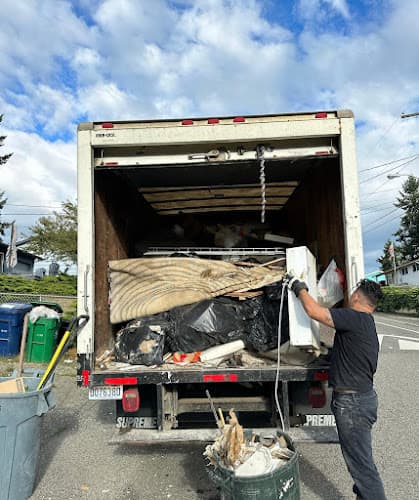
Super bros services.
9415 11th Ave SW · Seattle, Washington
Garbage collection service, Debris removal service
5.0
★★★★★
28 reviews
Every hauler we list for Seattle — ranked by real customer ratings, not who paid for the top slot. Quote requests go to one company, the one you pick.
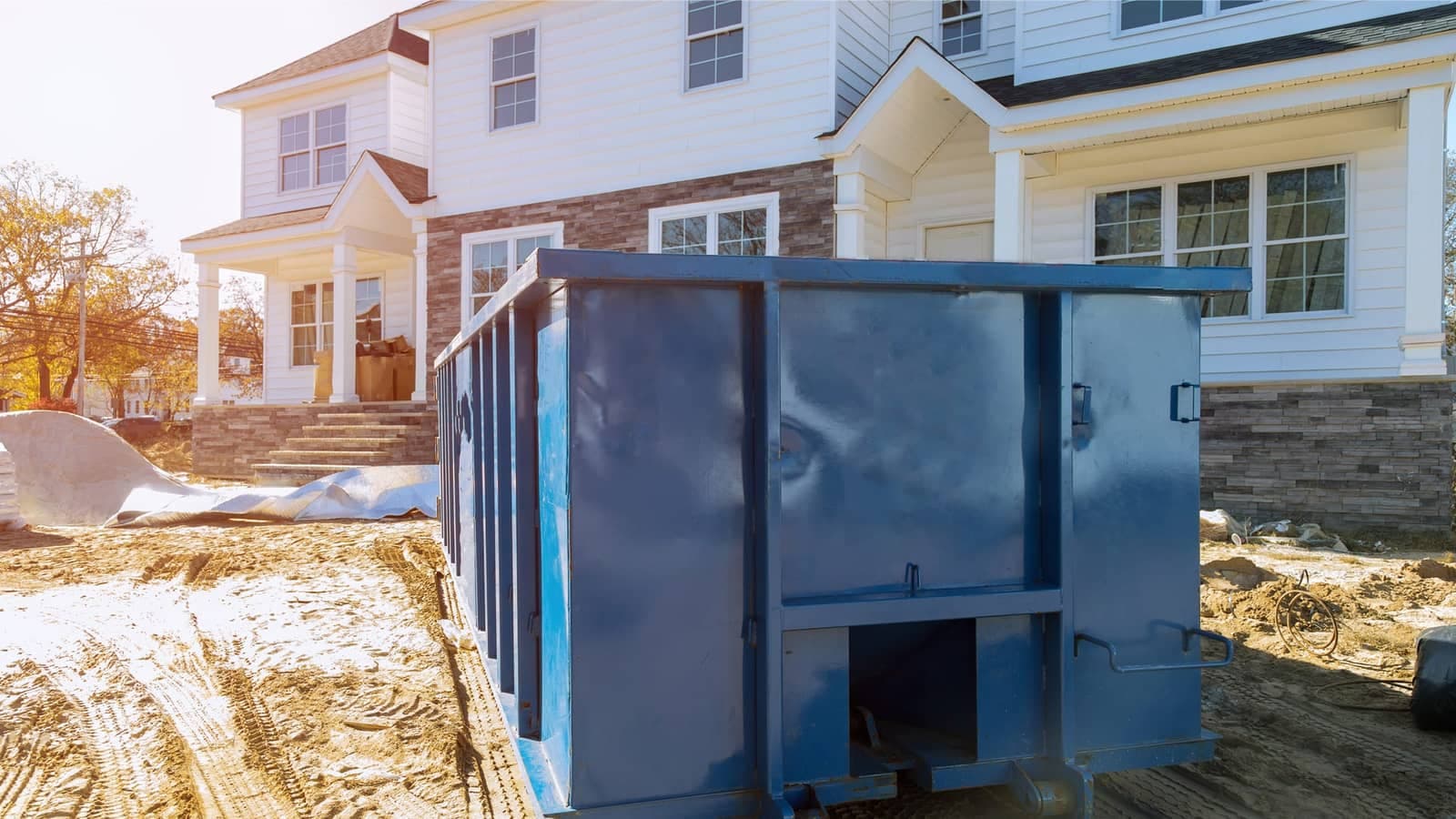
Dumpster placement regulations in Seattle, Washington are designed to ensure public safety and maintain traffic flow. When renting a dumpster in Seattle, placement on private property generally doesn't require a permit. However, if your project requires street placement due to space constraints or accessibility needs, you'll need to secure a permit from local authorities before delivery.
Washington municipalities typically require permits for any dumpster that occupies public right-of-way. The application process in Seattle usually involves providing project details, placement diagrams, and rental duration. Processing typically takes 1-3 business days, with costs ranging from $50 to $100. Experienced Seattle providers can streamline this process, often handling paperwork and coordination with city officials as part of their service.
Dumpster rental costs in Seattle, Washington reflect container size, project duration, and debris type. Budget approximately $300-$450 for 10-yard dumpsters suitable for small projects, $350-$500 for versatile 20-yard containers, $400-$550 for substantial 30-yard bins, and $450-$650 for large 40-yard roll-offs. These estimates typically cover a 7-14 day rental period, delivery, pickup, and standard disposal within weight allowances.
Washington pricing structures vary between providers. Some Seattle companies offer all-inclusive flat rates, while others use variable pricing based on actual weight and disposal costs. Be aware of potential additional charges: overweight fees ($50-$100 per ton), extended rental fees ($10-$20 daily), special handling for certain materials, and longer haul distances to disposal facilities. Seasonal demand, especially during spring and summer renovation seasons, can affect availability and pricing. Requesting quotes from several Seattle providers and clarifying all potential fees ensures accurate budgeting.
Seattle, Washington
Seattle, Washington
Seattle, Washington
Seattle, Washington
Seattle, a city in King County, is home to about 781,000 residents. Seattle's location on an isthmus between Puget Sound and Lake Washington means construction sites navigate steep hillsides, fill soils prone to liquefaction, and proximity to marine waterways where debris management is strictly regulated. The city sits near the Seattle Fault, capable of producing magnitude 7-plus earthquakes, and the Seattle Department of Construction and Inspections (SDCI) enforces stringent seismic retrofitting requirements for older wood-frame structures. Seattle averages 152 days of rain annually, creating persistent wet-season construction challenges and driving demand for waterproof renovation materials and covered debris containment. Amazon, Microsoft, Boeing, and other major employers have fueled a tech-driven construction boom, with Seattle adding over 100,000 residents between 2010 and 2020. Dumpsters placed on Seattle streets require a Street Use Permit from SDOT, with requirements for protective boards under the container to prevent asphalt damage. Sound Transit's Link Light Rail expansion — one of the largest transit infrastructure programs in U.S. history — generates billions in ongoing underground construction and station work across the metro.
Understanding what can and cannot go in your Seattle, Washington dumpster rental is crucial for avoiding fines and additional fees. Generally accepted materials include construction debris (wood, drywall, flooring), household junk (furniture, appliances without refrigerants), yard waste (branches, leaves, soil), and general trash. Most Seattle providers accept mixed loads for standard projects, though separating materials can sometimes reduce costs.
Prohibited items in Washington typically include hazardous materials (paint, chemicals, solvents, asbestos), electronics (TVs, computers, monitors), tires, batteries, propane tanks, and appliances containing refrigerants (refrigerators, air conditioners). These materials require special handling and disposal through designated facilities. Some Seattle providers offer separate services for specific waste streams like concrete-only or clean wood. Violating disposal regulations can result in additional fees, contaminated load charges, or legal liability. Always verify acceptable materials with your Seattle rental company before loading your dumpster.
Transforming attic spaces into functional rooms involves removing old insulation and construction waste. Seattle dumpster companies provide containers suitable for renovation debris and material disposal.
Old fence removal and new fence construction generates wood, metal, or vinyl waste. Seattle providers offer appropriately sized containers for fencing materials and post removal debris.
Upgrading home windows creates broken glass, old frames, and packaging materials. Seattle dumpster services provide safe disposal options for glass and construction debris from window projects.
Removing old concrete or asphalt driveways requires heavy-duty waste management. Seattle companies supply large roll-off containers engineered for heavy driveway demolition materials.
Local haulers drop 10-, 20-, 30-, and 40-yard bins throughout the metro. Pick the company that already runs trucks in your ZIP.