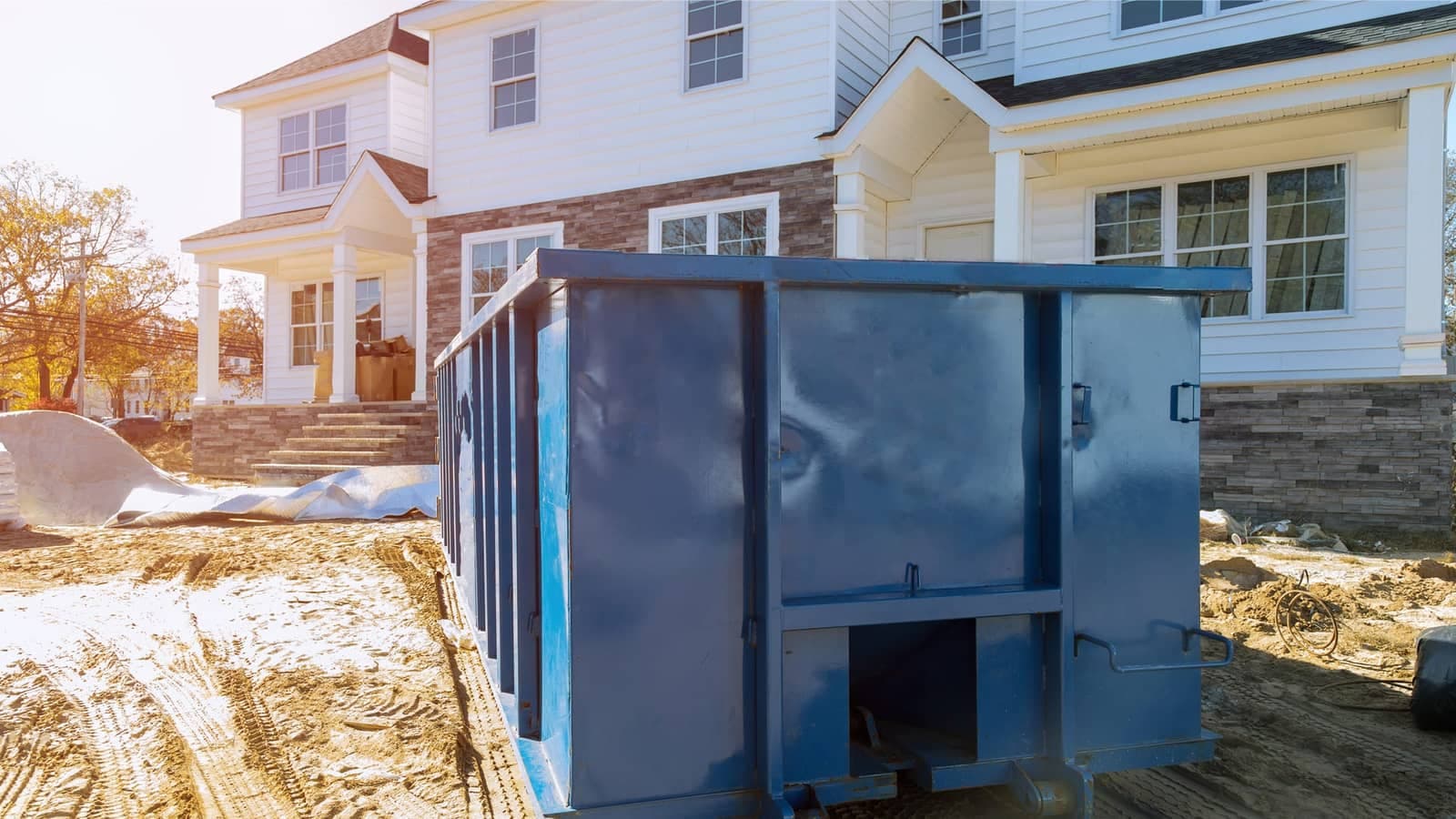
Demolition Dumpster Rentals.
Heavy-duty dumpster rentals for residential and commercial demolition projects. Compare 20-40 yard sizes, weight limits for concrete and debris, and pricing from verified local providers.
Get quotes for your demolition dumpster rentals.
Compare prices from independent local haulers in your ZIP. No broker auctions, no markup.
30-yard prices for demolition dumpster rentals in major cities.
Real survey-sourced 7-day rental prices for the most-ordered size for demolition dumpster rentals (30 Yard) across 20 major US metros. Click any city for the full breakdown.
| City | State | 7-day rental |
|---|---|---|
| Houston | TX | $375–$625 |
| New York City | NY | $550–$800 |
| Los Angeles | CA | $525–$725 |
| Chicago | IL | $425–$575 |
| Phoenix | AZ | $375–$525 |
| Philadelphia | PA | $500–$700 |
| Dallas | TX | $450–$650 |
| Atlanta | GA | $425–$575 |
| Miami | FL | $375–$575 |
| Seattle | WA | $375–$750 |
| Denver | CO | $375–$575 |
| Boston | MA | $550–$775 |
| San Francisco | CA | $575–$800 |
| Detroit | MI | $500–$600 |
| Minneapolis | MN | $450–$700 |
| San Diego | CA | $525–$700 |
| Tampa | FL | $425–$575 |
| Orlando | FL | $325–$400 |
| Charlotte | NC | $450–$625 |
| Las Vegas | NV | $375–$575 |
Source: Town Bins cost guide. See our cost guide →
What this project is.
Demolition dumpsters are heavy-duty roll-off containers sized for structural teardown debris — concrete, brick, lumber, and mixed rubble. They range from 20 to 40 cubic yards and are built to handle the significant weight of construction materials. Whether you're tearing down a deck, gutting a house interior, or leveling a garage, a properly sized demolition dumpster is essential for efficient site management.
Demolition creates massive volumes of heavy, bulky debris that is impossible to manage with residential trash service. A standard 20 yard dumpster replaces 10+ pickup truck loads and keeps your work site safe, clean, and compliant. Attempting to haul demolition debris yourself risks truck overloading, dump fees, and dozens of trips. One well-placed dumpster keeps your crew productive from day one through final cleanup.
Most demolition projects require 7-14 days of dumpster rental. Small deck or shed teardowns can be completed in 3-5 days. Partial interior gut-outs typically take 1-2 weeks. Full structural demolition may require multiple containers delivered in phases.
Sizes that fit.
Deck or shed demolition, single room teardown, patio removal
20-yard guidePartial interior demolition, garage teardown, multi-room gut renovation
30-yard guideFull structure demolition, commercial teardown, foundation removal
40-yard guideHow long you'll need it.
3-5 days for a deck, shed, or single room teardown
7-14 days for partial house interior or garage demolition
2-4 weeks for full structural demolition, often with multiple container swaps
What it costs.
What the debris weighs.
Heavy materials hit weight limits long before the container looks full. Use this to size up when you're on the line.
| Material | Weight / cu yd | Notes |
|---|---|---|
| Concrete / Masonry | 3,000-4,000 lbs | Extremely heavy — order concrete-only dumpsters or expect fast weight limit hits |
| Brick / Block | 2,800-3,500 lbs | Similar weight to concrete; fill dumpster to half for heavy loads |
| Lumber / Wood Framing | 400-700 lbs | Much lighter than masonry; can fill dumpster fuller without hitting limits |
| Drywall / Plaster | 500-700 lbs | Wet drywall is heavier; keep dry to stay within limits |
| Metal Framing / Rebar | 1,500-3,000 lbs | Consider metal recycling — scrap yards pay cash for steel and rebar |
| Mixed Demolition Debris | 700-1,200 lbs | Typical weight for a mixed load; concrete pieces dramatically increase total weight |
Overage fees are typically $50–$100 per ton over the weight limit. Ask your hauler about allowances before loading — most won't volunteer the number.
How to do it right.
Pull Permits and Disconnect Utilities
Before any demolition begins, obtain required permits from your building department and ensure all utilities are disconnected. This is non-negotiable for structural work.
- ·Contact your city or county building department for demolition permit requirements
- ·Disconnect gas, electric, and water before any structural work
- ·Test for asbestos and lead paint in homes built before 1980
- ·Notify neighbors — demolition is loud and creates dust
- ·Check HOA requirements if applicable
Estimate Debris Volume and Weight
Demolition debris is much heavier than household waste. Estimate based on the type and volume of materials being removed, not just visual volume.
- ·Concrete: Plan for 1 ton per cubic yard — fills weight limits fast
- ·Mixed demo debris: Estimate 700-1,200 lbs per cubic yard
- ·For concrete-heavy projects, order concrete-only dumpsters
- ·When in doubt, go one size larger — oversized is always better than overage fees
- ·Get quotes from multiple providers and ask about weight limits by debris type
Choose the Right Container and Placement
Select the correct size based on debris volume and weight. Position the dumpster close to your demolition zone to minimize carrying distance.
- ·Deck/shed demo: 20 yard is typically sufficient
- ·Garage or partial interior: 30 yard recommended
- ·Full structure: 40 yard or multiple 30s in phases
- ·Place on stable, level surface — avoid soft soil under heavy concrete loads
- ·Leave clearance for crew to safely load debris
Work Safely and Systematically
Demolish from top to bottom and inside out. Remove hazardous materials first, then structural elements systematically.
- ·Remove roofing before walls, walls before foundation
- ·Wear proper PPE: hard hat, safety glasses, gloves, steel-toed boots
- ·Never remove load-bearing walls without engineering review
- ·Keep children and pets away from demolition zones
- ·Wet down concrete and drywall dust to reduce airborne particles
Manage Heavy Debris Loads
Concrete and masonry hit weight limits long before a dumpster looks full. Load heavy materials first and in layers to maximize space.
- ·Spread concrete across the dumpster floor rather than piling in one spot
- ·Break concrete into smaller pieces for denser packing
- ·Alternate heavy and light loads to balance weight distribution
- ·Monitor weight — call your provider if you're concerned about limits
- ·Order a second container if the first approaches weight limits before it's full
Final Site Cleanup and Inspection
After the main demolition debris is removed, do a thorough site inspection for hazards, remaining materials, and any recycling opportunities before the final dumpster pickup.
- ·Walk the entire site for nails, rebar ends, and sharp debris
- ·Separate and recycle metal and salvageable materials
- ·Document the cleared site with photos for permit sign-off
- ·Schedule final building department inspection if required
- ·Confirm dumpster pickup once loading is complete to avoid extra rental days
Do you need a permit?
Demolition projects frequently require permits — both for the demolition work itself and for placing a dumpster on a public street. Structural demolition almost always needs a demolition permit from your city or county building department. A separate ROW (right-of-way) permit is required if the dumpster must be placed on the street.
- ·Always pull a demolition permit before structural teardowns — fines can exceed $10,000
- ·Check if your municipality requires asbestos testing before demo on homes built before 1980
- ·Street dumpster placement typically requires a separate ROW permit ($50-$150)
- ·Utility disconnection (gas, electric, water) must be completed before demolition begins
- ·Some cities require licensed contractors for structural demolition — verify local rules
What not to do.
- 01Ordering a dumpster that's too small — demolition debris is denser than it looks
- 02Mixing heavy concrete and masonry with lighter materials and exceeding weight limits
- 03Not checking for asbestos in homes built before 1980 before starting demo
- 04Starting demolition without proper permits — stop-work orders are expensive
- 05Failing to disconnect utilities (gas, water, electric) before demolition begins
- 06Throwing metal and rebar in the dumpster when scrap yards will pay cash for it
- 07Not planning for phased container swaps on large projects
What can be recycled.
Demolition debris has significant recycling and salvage value. Concrete, metal, brick, and dimensional lumber can often be diverted from landfills through recycling or resale. A concrete-only dumpster may cost less than a mixed debris container — ask your provider about sorted load discounts.
- ·Sort concrete separately for lower-cost concrete-only dumpster rates
- ·Contact Habitat for Humanity ReStore for salvageable doors, windows, and fixtures
- ·Sell clean rebar and copper to scrap metal yards before the dumpster is loaded
- ·Clean brick and stone pavers have resale value — post locally before disposal
- ·C&D (construction and demolition) recycling facilities accept sorted loads at lower rates
Frequently asked.
What size dumpster do I need for demolition?
Demolition projects typically require 20-40 yard dumpsters depending on scope. A 20 yard container handles deck or shed teardowns. A 30 yard works for garage demolition or partial interior gut-outs. A 40 yard is needed for full structural demolition. Note that concrete and masonry hit weight limits before containers are visually full — factor weight into your sizing decision, not just volume.
How much does a demolition dumpster rental cost?
Demolition dumpster rentals typically cost $350-$900 depending on size, location, and debris type. A 20 yard container averages $350-$500. A 30 yard runs $450-$650. A 40 yard ranges from $550-$900. Concrete-heavy projects may incur weight overage fees of $50-$100 per ton over the limit. Get multiple quotes to compare pricing.
Do I need a permit for demolition?
Yes, structural demolition almost always requires a permit from your local building department. Smaller projects like deck or shed removal may not require a permit, but structures attached to the home typically do. A separate permit is needed if the dumpster will be placed on a public street. Always verify with your municipality before starting work.
Can I put concrete in a demolition dumpster?
Yes, but concrete is extremely heavy at 3,000-4,000 lbs per cubic yard. Mixed-debris dumpsters have weight limits that concrete will hit quickly. For concrete-heavy projects, ask about concrete-only dumpsters — they are typically priced by the ton and better suited for masonry work. Never exceed dumpster weight limits; overage fees are $50-$100 per ton.
Do I need to test for asbestos before demolition?
Yes, if your home was built before 1980, you should test for asbestos before demolition. Asbestos-containing materials (ACM) include certain floor tiles, insulation, roofing felt, and ceiling texture. Disturbing ACM without proper testing and abatement is a federal violation. Hire a licensed asbestos inspector before any demo on pre-1980 structures.
How long can I keep a demolition dumpster?
Most demolition dumpster rentals include 7-14 days. Extensions are typically available for $20-$40 per day. Large commercial demolition projects often need extended rentals or multiple containers swapped out over weeks. Ask your provider about flexible rental terms for projects that may run longer than initially planned.
What cannot go in a demolition dumpster?
Prohibited items in demolition dumpsters include: hazardous materials (paint, chemicals, solvents, asbestos-containing materials), electronics, appliances with refrigerant, tires, propane tanks, batteries, and liquid waste. These require separate disposal. Always confirm with your provider what is allowed at local disposal facilities.
Can I recycle demolition debris?
Yes, significantly. Concrete can be crushed for aggregate and is widely recycled. Steel rebar and metal framing have scrap value. Clean dimensional lumber may be donated to Habitat for Humanity ReStore. Bricks and pavers can be sold through salvage yards. Sorting demolition debris reduces disposal costs and environmental impact.
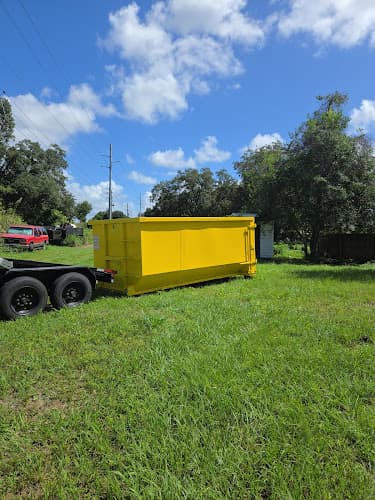
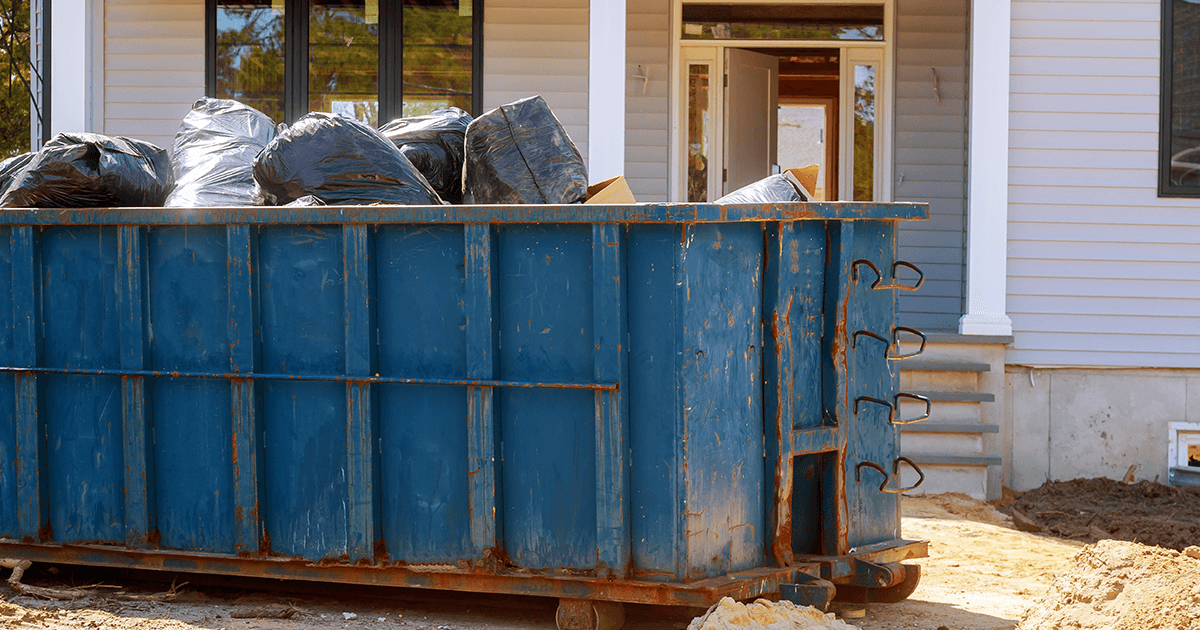
Verified haulers.

Related projects.
Construction Dumpster Rentals.
Professional construction dumpster rentals for commercial and residential building projects. Compare sizes, prices, and weight limits from verified local providers.
Read the guideHome Renovation Dumpster Rentals.
Convenient dumpster rentals for home renovation and remodeling projects. Get the right size container for your kitchen, bathroom, or whole-house renovation.
Read the guide