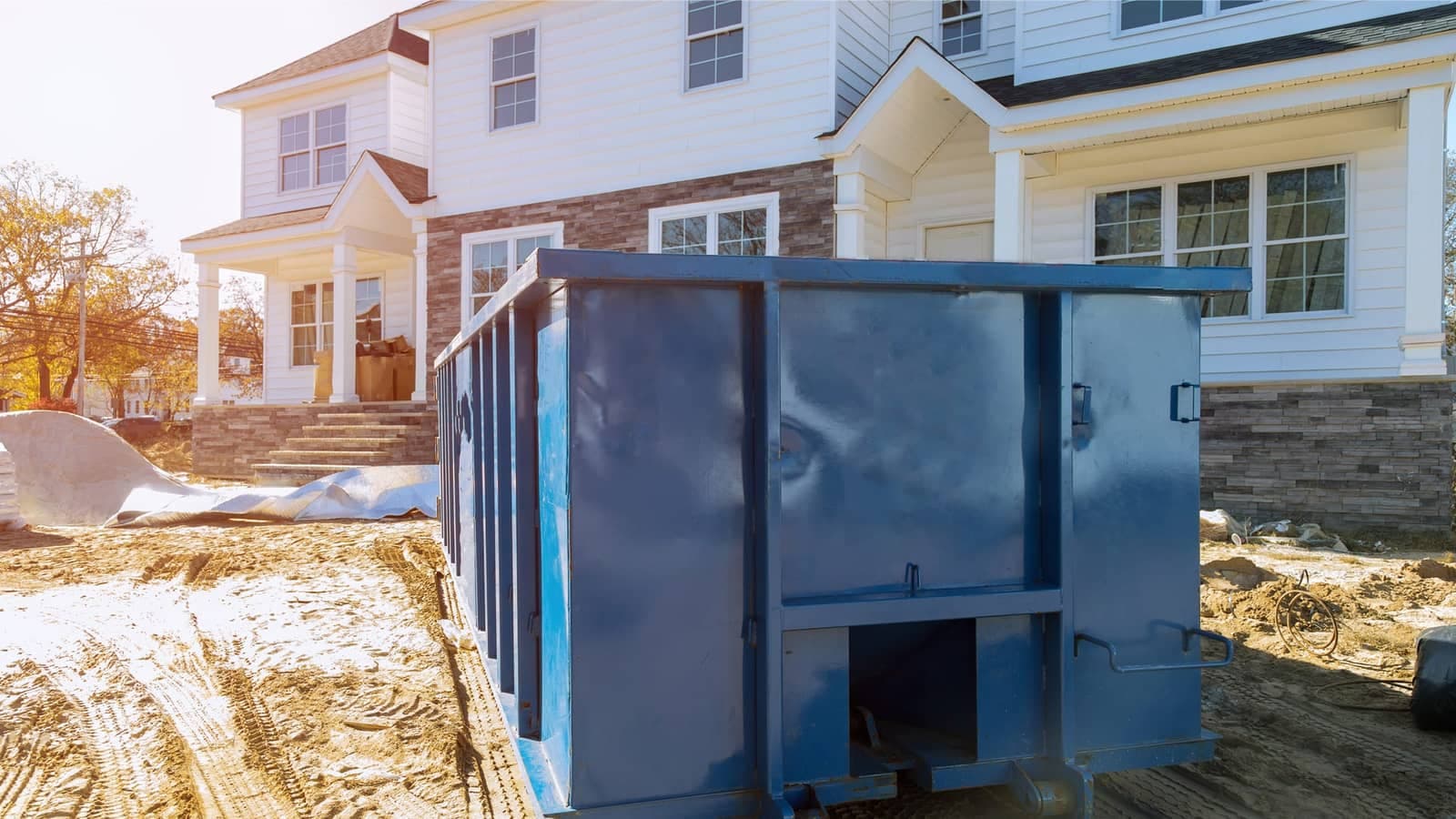
Landscaping Dumpster Rentals.
Dumpster rentals for landscaping and hardscape projects including patio demolition, retaining wall removal, garden overhaul, and outdoor living space renovation.
Get quotes for your landscaping dumpster rentals.
Compare prices from independent local haulers in your ZIP. No broker auctions, no markup.
20-yard prices for landscaping dumpster rentals in major cities.
Real survey-sourced 7-day rental prices for the most-ordered size for landscaping dumpster rentals (20 Yard) across 20 major US metros. Click any city for the full breakdown.
| City | State | 7-day rental |
|---|---|---|
| Houston | TX | $350–$550 |
| New York City | NY | $500–$700 |
| Los Angeles | CA | $475–$625 |
| Chicago | IL | $375–$500 |
| Phoenix | AZ | $350–$450 |
| Philadelphia | PA | $450–$600 |
| Dallas | TX | $400–$575 |
| Atlanta | GA | $375–$500 |
| Miami | FL | $350–$500 |
| Seattle | WA | $350–$650 |
| Denver | CO | $350–$500 |
| Boston | MA | $500–$675 |
| San Francisco | CA | $525–$700 |
| Detroit | MI | $450–$525 |
| Minneapolis | MN | $400–$600 |
| San Diego | CA | $475–$600 |
| Tampa | FL | $375–$500 |
| Orlando | FL | $300–$350 |
| Charlotte | NC | $400–$550 |
| Las Vegas | NV | $350–$500 |
Source: Town Bins cost guide. See our cost guide →
What this project is.
Landscaping dumpsters handle debris from outdoor renovation projects: patio demolition, retaining wall removal, fence replacement, driveway tearout, and complete yard overhauls. These projects often involve heavy materials (concrete, stone, brick) mixed with lighter organic debris (sod, soil, plants), requiring careful attention to weight limits.
Landscaping projects generate heavy, bulky waste that is impossible to manage with regular trash service. A single concrete patio tearout can produce several tons of debris. A dumpster placed close to the work area eliminates the back-breaking work of loading pickup trucks for repeated dump runs, and keeps your property accessible during the project.
Most landscaping projects need dumpsters for 5-10 days. Simple fence replacements or garden bed work may need only 3-5 days, while complete outdoor renovations with hardscape demolition may need 1-2 weeks.
Sizes that fit.
Small patio removal, garden bed redesign, fence replacement
10-yard guideLarge patio demolition, retaining wall removal, pool deck tearout
20-yard guideComplete outdoor renovation, driveway replacement, large hardscape project
30-yard guideHow long you'll need it.
3-5 days for fence replacement, garden bed work, or small patio removal
5-10 days for large patio demolition, retaining wall removal, or pool deck tearout
1-3 weeks for complete outdoor renovation or driveway replacement
What it costs.
What the debris weighs.
Heavy materials hit weight limits long before the container looks full. Use this to size up when you're on the line.
| Material | Weight / cu yd | Notes |
|---|---|---|
| Concrete / Pavers | 2,000-4,000 lbs | Extremely heavy — use a dedicated small container for concrete-only loads |
| Brick / Block | 1,500-2,500 lbs | Retaining wall blocks are very dense; calculate weight carefully |
| Gravel / Crushed Stone | 2,500-3,000 lbs | Most providers restrict to small containers due to weight |
| Soil / Dirt | 2,000-2,700 lbs | Many providers don't accept dirt — confirm before loading |
| Sod / Turf | 1,200-1,800 lbs | Wet sod is significantly heavier; remove during dry weather if possible |
| Wood Fencing / Timbers | 300-500 lbs | Treated lumber may have disposal restrictions in some areas |
| Mixed Landscaping Debris | 800-1,500 lbs | Weight varies widely depending on ratio of hard materials to organic |
Overage fees are typically $50–$100 per ton over the weight limit. Ask your hauler about allowances before loading — most won't volunteer the number.
How to do it right.
Plan Your Landscaping Scope and Materials
Determine what materials you'll be removing and estimate volumes. Hardscape materials (concrete, stone, brick) are extremely heavy, while organic debris (plants, sod, soil) is bulky but lighter.
- ·Measure patio, walkway, or driveway square footage for concrete volume estimates
- ·A 4-inch thick concrete patio generates roughly 100 lbs per square foot
- ·Fence removal: estimate linear feet and multiply by the weight of your fence type
- ·Consider separating heavy materials from organic debris for cost savings
Call 811 Before Any Digging
Before removing fence posts, retaining walls, or any feature requiring excavation, call 811 to have underground utilities marked. This is free, required by law, and prevents dangerous and expensive accidents.
- ·Call 811 at least 3-5 business days before your project start date
- ·Utility marking is free and typically completed within 2-3 days
- ·Unmarked gas, electric, and water lines are serious safety hazards
- ·Most dumpster providers will not deliver if excavation is planned without utility locating
Choose the Right Container for Your Materials
Heavy landscaping materials require careful size selection. A smaller container with adequate weight limits is better than a large container you can only half-fill.
- ·Concrete/stone projects: 10-15 yard with 3-5 ton weight limit
- ·Mixed landscaping debris: 20 yard for most residential projects
- ·Large outdoor renovation: 30 yard or separate containers for heavy vs. light materials
- ·Ask about special rates for clean concrete-only loads
Position the Dumpster Close to the Work Area
Landscaping debris is heavy and awkward to carry. Place the dumpster as close to the demolition area as possible to reduce labor and injury risk.
- ·Driveway placement closest to backyard is ideal
- ·Use plywood to protect driveway from heavy loads
- ·If backyard access exists, some providers can place containers there
- ·A wheelbarrow path from work area to dumpster saves enormous effort
Load Heavy Materials First and Distribute Evenly
Place the heaviest materials (concrete, stone, brick) on the bottom and spread evenly. This ensures safe transport and prevents container damage.
- ·Distribute concrete and stone evenly across the container floor
- ·Don't pile heavy materials on one side — uneven weight is a safety hazard
- ·Break large concrete sections into manageable pieces
- ·Fill remaining space with lighter materials (sod, wood, fencing)
- ·Monitor weight throughout loading — heavy materials hit limits fast
Schedule Pickup and Verify Weight
Once loading is complete, schedule pickup and confirm your estimated weight. If you're concerned about overage fees, ask the provider for a weight check.
- ·Give 24-48 hours notice for pickup scheduling
- ·Ask provider about estimated weight based on materials loaded
- ·Take photos of the loaded container for your records
- ·Confirm any overage fee rates before the final weigh-in
- ·Consider scrap recycling for any metal materials before final load
Do you need a permit?
Most landscaping dumpsters are placed on driveways and do not require permits. If backyard access requires street placement or if the dumpster blocks a sidewalk, a permit will be needed. Some large projects involving heavy equipment may need additional work permits.
- ·Place on your driveway whenever possible to avoid permit requirements
- ·If the project is in the backyard, position the dumpster as close as possible to reduce hauling distance
- ·Check if your city requires permits for fence replacement or retaining wall work
- ·Large excavation projects may require separate utility locating before work begins
What not to do.
- 01Mixing concrete and stone with general debris — heavy materials should go in a separate, smaller container
- 02Not confirming that the provider accepts dirt (many don't or charge extra)
- 03Underestimating the weight of hardscape materials — concrete fills weight limits at half capacity
- 04Placing the dumpster too far from the backyard work area
- 05Not calling 811 (utility locate) before any digging or excavation work
- 06Loading wet soil or sod during rainy weather when it weighs 40-60% more
- 07Forgetting about disposal restrictions on treated lumber and railroad ties
What can be recycled.
Landscaping materials are among the most recyclable construction debris. Clean concrete, brick, and stone are crushed and reused as road base and fill. Organic materials are composted. Separating materials can significantly reduce disposal costs.
- ·Keep concrete-only loads separate — disposal rates are much lower for clean concrete
- ·Old pavers and brick in good condition can be donated or sold on marketplace sites
- ·Metal fencing, chain link, and posts have scrap value
- ·Some landscape supply companies accept clean fill dirt for free
- ·Sod and organic debris may qualify for composting rates if kept separate
Frequently asked.
What size dumpster do I need for a landscaping project?
For landscaping projects: small jobs (fence, garden beds) need 10-15 yards, medium projects (patio removal, retaining wall) need 20 yards, and large outdoor renovations need 30 yards. For heavy materials like concrete and stone, size based on weight limits rather than volume — a 10-15 yard with a 3-5 ton allowance is often better than a larger container.
How much does a landscaping dumpster rental cost?
Landscaping dumpster rentals cost $250-$600 depending on size, materials, and location. Projects with heavy materials (concrete, stone) may cost more due to higher disposal fees and weight overage charges. Clean concrete-only loads may qualify for reduced rates since concrete is recyclable.
Can I put concrete in a landscaping dumpster?
Yes, but concrete is extremely heavy (2,000-4,000 lbs per cubic yard). Most providers recommend a dedicated 10-15 yard container for concrete-only loads with appropriate weight limits. Clean concrete often has lower disposal rates since it's recycled into road aggregate. Never mix concrete with general trash if you want recycling pricing.
Can I put dirt in a dumpster?
Many providers do not accept dirt, or accept it only in limited quantities with weight surcharges. Dirt weighs 2,000-2,700 lbs per cubic yard, making it one of the heaviest materials. Always confirm with your provider before loading dirt. Consider offering clean fill dirt on community groups — many people need it for free.
Do I need a permit for a landscaping dumpster?
Not if the dumpster is on your driveway or property. Permits are only needed for street placement. However, some landscaping projects (retaining walls, fencing) may require separate building permits depending on local codes. Always call 811 before any excavation work.
What landscaping materials cannot go in a dumpster?
Prohibited items include: treated lumber with CCA (chromated copper arsenate), railroad ties (some areas), creosote-treated materials, herbicides and pesticides, pool chemicals, gasoline from equipment, and pressure-treated wood in some jurisdictions. Standard organic materials and untreated hardscape are typically accepted.
Should I separate heavy materials from green waste?
Yes, separating saves money. Clean concrete, brick, and stone qualify for lower disposal rates when kept in a dedicated container. Green waste (sod, plants, branches) qualifies for composting rates. Mixed loads of heavy materials and organic debris cost the most to dispose of.
How heavy is a concrete patio?
A standard 4-inch thick concrete patio weighs approximately 100 lbs per square foot. A 200 sq ft patio produces roughly 10 tons of debris — far more than a single dumpster can handle. For large concrete projects, plan on multiple containers or a dedicated concrete hauler.
Verified haulers.

Related projects.
Construction Dumpster Rentals.
Professional construction dumpster rentals for commercial and residential building projects. Compare sizes, prices, and weight limits from verified local providers.
Read the guideYard Waste Removal Dumpster Rentals.
Eco-friendly yard waste dumpster rentals for landscaping projects, tree removal, seasonal cleanup, and green waste disposal.
Read the guide