What Size Dumpster for a Bathroom Renovation?
Most bathroom remodels fit in a 10-yard dumpster. Master baths and gut renovations need a 20-yard. Here's the exact sizing breakdown by project scope.
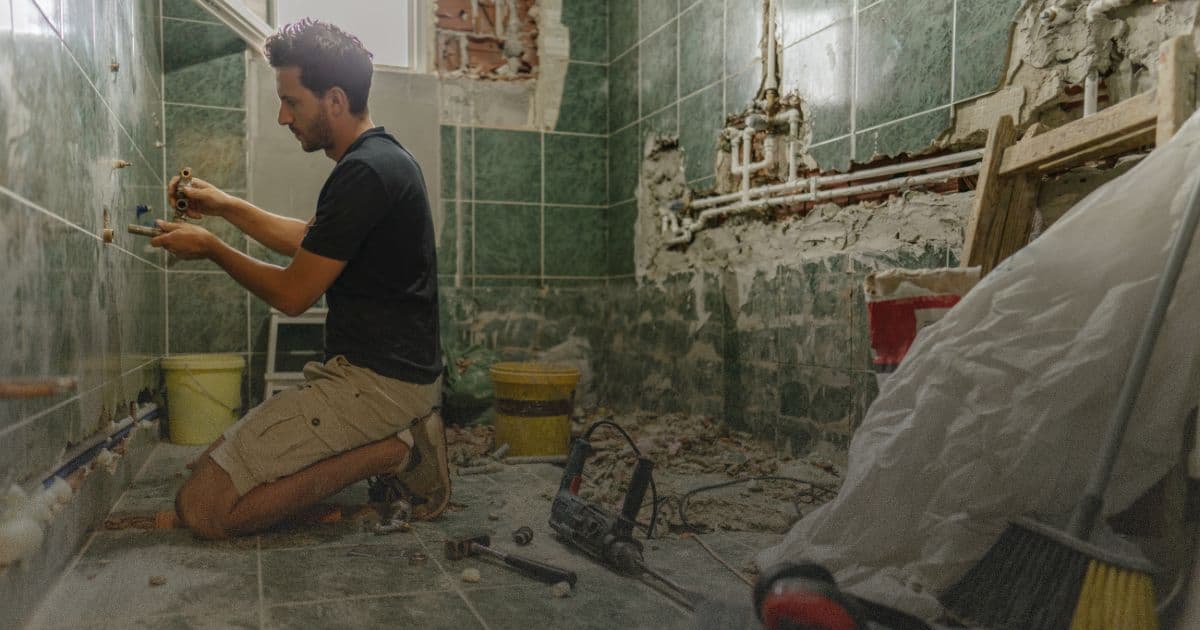
Bathroom renovations are one of the most common DIY and contractor projects in the United States, and one of the most common sources of oversized dumpster rentals. Most bathrooms are small rooms. The debris — while dense and heavy — rarely fills more than 4–8 cubic yards. For the majority of bathroom remodels, a 10-yard dumpster is the right call.
Quick answer: For a standard bathroom remodel (single bath, full gut), rent a 10-yard dumpster. For a master bath with a large tile footprint, double vanity, or soaking tub, go with a 20-yard. If you are doing multiple bathrooms at once or combining with a bedroom renovation, use the 20-yard.
Bathroom Renovation Scope vs. Dumpster Size
| Scope | Dumpster Size | Debris Volume |
|---|---|---|
| Vanity and toilet swap only | 10 yard | 1–2 cubic yards |
| Single bath partial reno | 10 yard | 2–4 cubic yards |
| Single bath full gut (small, under 60 sq ft) | 10 yard | 4–7 cubic yards |
| Master bath full gut (80–120 sq ft) | 10–20 yard | 6–10 cubic yards |
| Two bathrooms simultaneously | 20 yard | 8–14 cubic yards |
| Bathroom + adjacent bedroom | 20 yard | 10–16 cubic yards |
| Full hall bath + master bath | 20 yard | 10–16 cubic yards |
The 10-yard is 3–4 pickup truck loads in capacity. A full gut on a standard 5x8 bathroom (40 square feet) — tile floors, tile walls, tub surround, vanity, toilet, mirror — falls comfortably within that range.
What a Bathroom Gut Generates
Here is a debris volume breakdown for a typical full bathroom gut:
| Item | Volume | Weight Notes |
|---|---|---|
| Wall tile (60 sq ft in a tub surround) | 0.5–1 cubic yard | Heavy — ~12 lbs/sq ft |
| Floor tile (50 sq ft) | 0.25–0.5 cubic yards | Heavy — ~12–15 lbs/sq ft |
| Tub or shower pan | 0.5–1 cubic yard | Cast iron tubs are very heavy |
| Toilet | 0.25 cubic yards | ~80–100 lbs |
| Vanity and mirror | 0.5–0.75 cubic yards | |
| Drywall (greenboard/cement board) | 0.5–1 cubic yard | Heavier than standard drywall |
| Plumbing fixtures and hardware | 0.1–0.25 cubic yards |
Total for a standard 5x8 bathroom: 3–5 cubic yards. A 10-yard has plenty of headroom.
Total for a master bath (12x14) with walk-in shower and soaking tub: 6–9 cubic yards. Still fits in a 10-yard, but leaves less buffer. If you are uncertain, the 20-yard gives peace of mind for under $100 more.
The Weight Trap: Tile and Cast Iron
Bathrooms are among the heaviest debris types in residential renovation. Two items require weight-limit awareness:
Floor and Wall Tile
Ceramic and porcelain tile — including the concrete backer board underneath — weighs 12–20 lbs per square foot. A standard bathroom has 50–100 square feet of tile surfaces.
| Tile Type | Weight per Square Foot | 100 sq ft Weight |
|---|---|---|
| Ceramic floor tile + backer | 12–15 lbs | 600–750 lbs |
| Porcelain floor tile + backer | 15–20 lbs | 750–1,000 lbs |
| Large format tile (12x24+) | 18–22 lbs | 900–1,100 lbs |
| Shower/tub surround tile | 12–15 lbs per sq ft | 180–225 lbs (60 sq ft) |
A 10-yard dumpster typically has a 2–3 ton weight limit. The tile from a standard bathroom (80–100 sq ft of total tile surface) weighs approximately 0.5–1 ton — well within the limit on its own. Combined with other bathroom debris, you will stay under the limit.
The weight concern arises when tile is combined with other heavy materials — particularly if you have multiple bathrooms being renovated simultaneously.
Cast Iron Tubs
Old cast iron bathtubs are the heaviest single item in most bathroom renovations. A standard 60-inch cast iron tub weighs 300–500 lbs. Some vintage clawfoot tubs weigh 400–700 lbs.
A single cast iron tub adds meaningful weight to a 10-yard load but should not approach the weight limit on its own. However, if you have two cast iron tubs (rare but possible in double-bathroom projects), the combined weight with tile debris can approach the 2–3 ton limit of a 10-yard container.
Most cast iron tubs can also be scrapped. Scrap metal dealers pay $0–$50 for cast iron tubs, and some haulers will pick up for free. Removing the tub before the dumpster arrives saves both weight and money.
For detailed weight calculations, see our weight limits guide.
Toilet and Plumbing Fixture Disposal
Most plumbing fixtures can go in the dumpster with no restrictions:
- Toilets
- Sinks and vanity tops
- Shower heads and fixtures
- Faucets
- Showerheads and valves
- Medicine cabinets and mirrors
One exception: Toilets contain water that needs to be removed before disposal. Flush the toilet, shut off the supply valve, and remove remaining water with a sponge or vacuum before loading. A toilet filled with water weighs 80–120 lbs; drained, it weighs 60–80 lbs.
Multiple Bathrooms: When to Size Up
Renovating two bathrooms simultaneously is the most common reason a bathroom project needs a 20-yard instead of a 10-yard.
Two full baths simultaneously: Combined debris runs 8–12 cubic yards. A 10-yard is tight; the 20-yard provides comfortable capacity and avoids overflow.
Hall bath + master bath: Similar math — 8–14 cubic yards combined. Use the 20-yard.
Staggered timing: If you can stage the renovation (complete one bathroom before starting the second), you can use a single 10-yard and call for pickup between phases. This saves the cost of the larger container but adds the rental period. Ask your provider about mid-project exchange or second delivery pricing.
Do You Need a Permit?
For driveway placement, no permit is needed in most cities. Most standard 10-yard containers are 12 feet long and 8 feet wide — they fit in virtually any driveway, including single-car driveways.
For very small properties with no driveway access, street placement may be necessary. In that case, check your city's permit requirements. See our permit guide for city-by-city rules.
Protecting Your Driveway During a Bathroom Renovation
A loaded 10-yard dumpster weighs 4,000–6,000 lbs — lighter than a 20-yard load, but still heavy enough to mark soft surfaces.
- Ask your hauler about placing boards under the wheels (standard with most good haulers)
- Avoid placement on brand-new asphalt (less than 6 months old)
- Consider plywood sheets if placing on pavers
Bathroom Remodel Checklist
Before calling:
- Measure your bathroom(s) — total square footage of floor and wall tile
- Inventory the items being removed (tub type, number of fixtures)
- Note cast iron tubs — consider scrap options before the dumpster arrives
- Confirm whether multiple bathrooms will be done simultaneously
- Check driveway length for container clearance
Typical Bathroom Renovation Rental Timeline
| Project | Rental Period |
|---|---|
| DIY single bathroom | 7–10 days |
| Contractor single bathroom | 5–7 days |
| Master bath gut renovation | 7–14 days |
| Two bathrooms simultaneously | 10–14 days |
Most providers include 7 days in the base rental. Extensions run $10–$25/day. Book the right size from the start rather than calling for a swap mid-project — swaps cost extra for delivery and pickup.
If you are also renovating the kitchen, see our kitchen remodel dumpster guide — the two projects together typically call for a 30-yard.
Find a Dumpster for Your Bathroom Project
For a single bathroom remodel in a standard-size bathroom, order the 10-yard. It is the right size, it fits in your driveway, and it handles everything a bathroom gut generates with room to spare. Step up to the 20-yard for master baths, multiple bathrooms, or combined bathroom-and-bedroom renovations.
Find a hauler in your ZIP.
Browse verified dumpster rental companies in your area — ratings, reviews, and pricing in one place.
Search local providersRelated articles.
Year-End Renovation Cleanup: Dumpster Rental Guide
Year-end renovation cleanup guide: right dumpster size for post-holiday purges, winter projects, tax-year timing, and contractor debris.
ReadWhat Size Dumpster Do You Need When Moving?
Moving dumpster rental guide: how to size for your move, what to put in it, and when to order. Most homes need a 10-yard dumpster.
Read