How to Dispose of Appliances (7 Options)
Appliance disposal methods ranked by cost. Covers EPA refrigerant rules, retailer take-back programs, scrap metal value, and dumpster rental options.
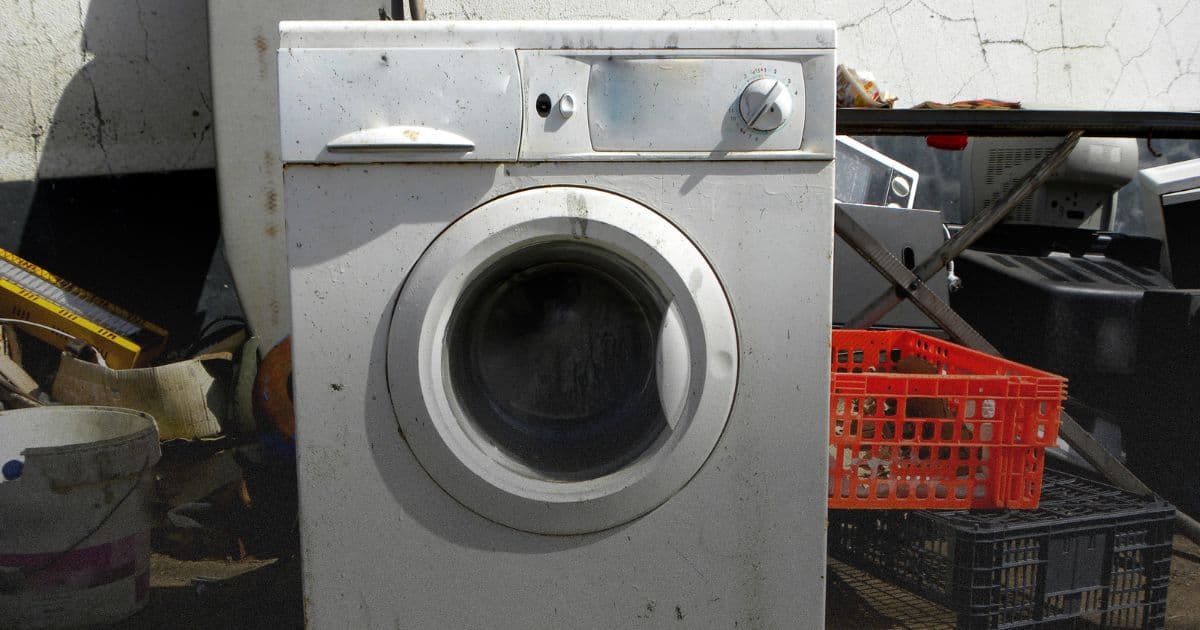
Getting rid of a refrigerator, washer, dryer, or dishwasher is not as simple as dragging it to the curb. Appliances containing refrigerants (refrigerators, freezers, air conditioners) fall under EPA regulations that make improper disposal a federal violation with fines up to $44,539 per day. Even non-refrigerant appliances are too heavy for standard trash collection and require specific disposal channels.
This guide covers every legal disposal method, explains the EPA rules that apply to specific appliance types, compares costs across all options, and identifies which appliances have genuine scrap metal value that can offset your disposal expense.
Why Appliance Disposal Is Regulated
Three federal and state regulatory frameworks govern appliance disposal:
1. EPA Clean Air Act --- Section 608 (Refrigerants)
Refrigerators, freezers, window AC units, and dehumidifiers contain refrigerants that deplete the ozone layer or contribute to greenhouse gas emissions. The EPA mandates certified recovery of these chemicals before disposal or recycling.
- Pre-1995 units contain CFC refrigerants (R-12, commonly called "Freon") --- ozone-depleting substances banned from production since 1996
- 1995--2009 units typically contain HCFC refrigerants (R-22) --- phased out of production in 2020
- Post-2010 units use HFC refrigerants (R-410A, R-134a) --- no ozone impact but classified as greenhouse gases
Regardless of refrigerant type, venting any refrigerant to the atmosphere is illegal. Certified technicians must recover refrigerants using EPA-approved equipment before the unit is scrapped, recycled, or landfilled.
Penalty for violations: Up to $44,539 per day per violation under the Clean Air Act.
2. State E-Waste and Appliance Laws
Many states classify certain appliances as e-waste or require specific disposal pathways. For example, California bans appliances containing Freon from landfills entirely. New York City provides free CFC removal and curbside pickup for refrigerant-containing appliances through DSNY.
3. Local Bulk Waste Ordinances
Most municipalities prohibit large appliances in standard trash collection. Violations can result in fines from $50 to $500+ depending on your jurisdiction.
7 Ways to Dispose of Old Appliances
1. Retailer Take-Back Programs (Best Value When Buying New)
If you are purchasing a replacement appliance, the retailer delivering your new unit will typically haul away the old one. This is the most convenient option and often the cheapest.
Retailer haul-away costs:
| Retailer | Haul-Away Cost | Notes |
|---|---|---|
| Home Depot | $25--$50 per unit | Includes disconnection; refrigerant units require additional $25 fee |
| Lowe's | $30 per unit | Must purchase new appliance with delivery |
| Best Buy | $29.99--$49.99 per unit | Available with new appliance delivery |
| Costco (through Costco Logistics) | Included with delivery | Free haul-away with qualifying purchase |
| AJ Madison | Varies by market | Quote at checkout |
What happens to hauled-away appliances: Retailers partner with certified recyclers who recover refrigerants, separate metals, and recycle components. The recycling chain is handled entirely by the retailer and their partners.
2. Rent a Dumpster (Best for Multiple Appliances)
When you are clearing out a house, renovating a kitchen, or handling an estate cleanout with multiple large items, a dumpster rental is the most efficient option. Load appliances along with other non-hazardous debris at your own pace.
Cost: A 20-yard dumpster costs $264--$687 nationally, averaging around $447. This container holds 6--8 large appliances plus additional furniture, cabinetry, and general debris.
Refrigerant appliances require pre-removal: Before placing any refrigerator, freezer, or AC unit in a dumpster, you must have the refrigerant professionally recovered by an EPA-certified technician. Most dumpster rental companies will reject loads containing refrigerant appliances that have not been properly evacuated. A certified HVAC technician charges $50--$150 for refrigerant recovery.
Find dumpster rental providers that accept appliances in your area through our search tool or browse companies near you.
Pair with other disposal: A dumpster makes the most sense when appliances are part of a larger project. If you are remodeling a kitchen, you can load the old appliances alongside construction debris, old cabinetry, and flooring into the same container. See our home renovation dumpster guide for sizing recommendations.
3. Utility Company Recycling Programs (Often Free)
Many electric utilities offer free appliance recycling programs, particularly for energy-inefficient refrigerators, freezers, and AC units. These programs exist because recycling old, energy-hungry appliances reduces grid demand.
How to find your utility's program:
- Check your electric bill or utility company website for "appliance recycling" or "fridge recycling"
- Search EPA's ENERGY STAR partner list for participating utilities
- Call your utility's customer service line directly
What they typically offer:
- Free pickup from your home
- $25--$75 cash rebate in some programs
- Certified refrigerant recovery and recycling
- Available to residential customers only (one unit per household per year in most programs)
This is the best option for a single refrigerator or freezer. The utility handles everything, including refrigerant recovery, and may pay you for the privilege.
4. Scrap Metal Recycling (Get Paid)
Appliances contain valuable metals. A standard refrigerator yields 100--150 lbs of steel, plus copper from the compressor and aluminum from the condenser coils. At current scrap rates, the metal value ranges from $10 to $50+ per appliance.
Approximate scrap value by appliance:
| Appliance | Average Weight | Primary Metals | Estimated Scrap Value |
|---|---|---|---|
| Refrigerator | 200--300 lbs | Steel, copper, aluminum | $15--$50 |
| Washing machine | 150--200 lbs | Steel, copper | $10--$35 |
| Dryer | 100--150 lbs | Steel, copper | $8--$25 |
| Dishwasher | 60--100 lbs | Steel, stainless steel | $5--$15 |
| Oven/range | 130--200 lbs | Steel, copper, cast iron | $10--$30 |
| Window AC unit | 50--80 lbs | Copper, aluminum, steel | $8--$20 |
| Water heater | 100--150 lbs | Steel, copper | $10--$25 |
Important for refrigerant appliances: Scrap yards that accept refrigerators and AC units must be EPA-certified for refrigerant recovery. Many large scrapyards have this certification and handle it on-site. Always confirm before delivering a refrigerant-containing unit.
How to maximize scrap value: Call 2--3 local scrapyards for current pricing. Rates fluctuate weekly with commodity markets. Some yards pay more if you separate metals yourself (pull copper wiring, remove aluminum coils), but this requires tools and knowledge of what you are handling.
5. Donation (Working Appliances Only)
Functional appliances in decent cosmetic condition can be donated. This keeps units in service, diverts waste from landfills, and provides a tax deduction.
National organizations accepting appliances:
| Organization | Pickup Available | What They Accept | Tax Receipt |
|---|---|---|---|
| Habitat for Humanity ReStore | Yes (most locations) | Working appliances under 10 years old | Yes |
| Salvation Army | Yes | Working major appliances | Yes |
| Goodwill | Varies by location | Working small and some large appliances | Yes |
| St. Vincent de Paul | Yes (many locations) | Working major appliances | Yes |
Donation requirements:
- Appliance must be in working condition (most organizations test before accepting)
- Clean, free of mold and pest evidence
- No major cosmetic damage (significant dents, rust, or missing parts)
- You may need to disconnect and move to an accessible pickup point
Tax deduction: The IRS allows deductions for donated appliances at fair market value. A 10-year-old working refrigerator in good condition has a fair market value of $75--$200. Keep your donation receipt and photograph the appliance before donation.
6. Municipal Bulk Pickup (Check Your City)
Many cities offer scheduled bulk waste collection that includes large appliances. Some provide this service free; others charge $25--$75 per pickup.
How to schedule:
- Contact your city's solid waste department or check their website
- Schedule a pickup date (often limited to 1--2 times per month)
- Place the appliance at the curb on the designated day
- For refrigerant appliances, some cities provide free CFC removal --- ask when scheduling
New York City (DSNY), for example, provides free CFC removal and curbside pickup for all refrigerant-containing appliances. You schedule online, a technician removes the refrigerant, then the unit is collected on your next bulk pickup day.
Check your city's specific programs through your local waste management resources.
7. Junk Removal Services (Fastest Option)
Junk removal companies like 1-800-GOT-JUNK, LoadUp, and local operators offer same-day or next-day appliance pickup. They handle all lifting, loading, and transport.
Cost: $75--$300 per appliance depending on type, size, and your location. A quarter-truckload (1--2 appliances) averages $275; a full truckload runs up to $600.
When this makes sense: You need one or two appliances removed quickly, cannot move them yourself, and do not have other debris to dispose of. For multiple appliances or combined projects, a dumpster rental is more cost-effective.
Cost Comparison: All Appliance Disposal Methods
| Method | Cost per Appliance | Best For | Handles Refrigerant? |
|---|---|---|---|
| Retailer haul-away | $25--$50 | Buying a replacement | Yes |
| Utility recycling program | Free (+ possible rebate) | Single fridge/freezer | Yes |
| Scrap metal recycling | Free (you get paid $5--$50) | Any metal appliance | Must confirm with yard |
| Donation | Free | Working appliances | N/A (unit stays in service) |
| Municipal bulk pickup | $0--$75 | Single appliance, no rush | Varies by city |
| Dumpster rental | $264--$687 (holds 6--8 units) | Multiple appliances + other debris | No --- must pre-remove |
| Junk removal | $75--$300 | Quick single-unit removal | Some companies handle it |
Disposal Guide by Appliance Type
Refrigerators and Freezers
Refrigerant removal is mandatory. Never attempt to remove refrigerant yourself --- this requires EPA Section 608 certification and specialized recovery equipment.
Best options ranked:
- Utility recycling program (free + possible rebate)
- Retailer haul-away when buying new ($25--$50)
- Scrap metal yard with EPA certification (get paid)
- Municipal pickup with CFC removal service
Door removal: CPSC guidelines recommend removing doors from discarded refrigerators and freezers to prevent child entrapment. Many states require door removal by law.
Washers and Dryers
No refrigerant concerns. These are the easiest large appliances to dispose of.
Best options ranked:
- Scrap metal recycling (washers contain significant copper)
- Donation if working (high demand at thrift stores)
- Retailer haul-away when buying new
- Dumpster rental if combined with other items
Gas dryer note: Disconnect gas dryers only if you are comfortable working with gas lines, or hire a plumber. Cap the gas line before removal.
Dishwashers
Relatively lightweight (60--100 lbs) and easy to handle compared to other large appliances. No refrigerant concerns.
Best options ranked:
- Retailer haul-away when buying new
- Scrap metal recycling
- Curbside bulk pickup
- Include in a dumpster with other kitchen renovation debris
Ovens and Ranges
Gas ranges must have gas lines properly disconnected and capped by a qualified professional before removal.
Best options ranked:
- Scrap metal recycling (cast iron grates and steel bodies have good value)
- Donation if working
- Retailer haul-away
Water Heaters
Water heaters contain copper, steel, and sometimes brass fittings. Scrap value ranges from $10--$25. Drain completely before moving.
Best options ranked:
- Scrap metal recycling
- Include in dumpster during bathroom or plumbing renovation
- Municipal bulk pickup
Window AC Units
Contain refrigerant. Follow the same disposal rules as refrigerators.
Best options: Utility recycling programs, retailer take-back, or EPA-certified scrap yards.
Small Appliances (Microwaves, Toasters, Blenders)
Most small appliances can go in standard trash if your municipality allows it. However, microwaves and any appliance with electronic controls qualify as e-waste in some states (California, for example).
Best options: E-waste recycling centers, scrap metal if accumulating multiple units, or include in a dumpster during a larger cleanout project.
How to Prepare Appliances for Disposal
Regardless of which disposal method you choose, these preparation steps apply:
- Unplug and disconnect --- Remove power cords from outlets. Disconnect water lines (washers, dishwashers, refrigerators with ice makers). Cap gas lines for gas appliances.
- Clean out contents --- Empty refrigerators, freezers, and dishwashers completely. Food residue attracts pests and can cause rejection at recycling facilities.
- Remove doors from refrigerators/freezers --- Required in many jurisdictions and strongly recommended everywhere for child safety.
- Secure loose parts --- Tape doors shut, secure shelves and drawers to prevent damage during transport.
- Move to an accessible location --- Most pickup services require appliances at ground level near a door or garage. Upstairs units may incur additional charges.
- Document for tax purposes --- If donating, photograph the appliance and note the make, model, age, and condition for your tax receipt.
Frequently Asked Questions
Can I put a refrigerator in a dumpster?
Only after a certified technician has recovered the refrigerant. Contact an HVAC company for refrigerant removal ($50--$150), then the empty unit can go in a dumpster. Placing a refrigerator with intact refrigerant in a dumpster violates EPA regulations and most rental agreements. Find dumpster providers in your area that accept appliances.
How much is a used appliance worth for scrap?
Scrap value ranges from $5 for a dishwasher to $50 for a large refrigerator, depending on current metal commodity prices. Copper content is the primary value driver. Call local scrapyards for current rates --- prices change weekly.
Will Habitat for Humanity pick up old appliances?
Most Habitat ReStore locations offer free pickup for working appliances under 10 years old. Call your local ReStore to confirm they are accepting donations and schedule a pickup. Non-working units are generally declined.
Can I leave an old appliance at the curb?
Only if your municipality offers bulk waste pickup and you have scheduled a collection date. Leaving appliances at the curb without scheduling typically violates local ordinances and can result in fines. Refrigerant-containing units require CFC removal before curbside placement in most jurisdictions.
What is the cheapest way to get rid of an old appliance?
A utility company recycling program (free, sometimes with a rebate) for refrigerant appliances, or scrap metal recycling (you get paid) for non-refrigerant appliances. If neither is available in your area, municipal bulk pickup is usually the next cheapest option at $0--$75.
Next Steps
- Identify your appliance type and whether it contains refrigerant
- Check utility recycling programs first --- these are often the best deal
- Get quotes from multiple disposal options --- use our search tool to find local dumpster companies and compare pricing
- Schedule refrigerant removal before any disposal method that requires it
- Consider combining with other projects --- if you have additional debris, a dumpster rental handles everything in one container
For related disposal guidance, see our guides on what items are prohibited in dumpsters, saving money on dumpster rentals, and estate cleanout planning. Browse dumpster rental costs by city to estimate pricing in your market.
Find a hauler in your ZIP.
Browse verified dumpster rental companies in your area — ratings, reviews, and pricing in one place.
Search local providersRelated articles.
How to Dispose of Construction Debris
Complete guide to construction debris disposal. Covers C&D waste types, dumpster sizing, recycling requirements, hazardous materials, and permit needs.
ReadHow to Dispose of a Mattress (7 Options)
Mattress disposal methods, recycling laws by state, and cost comparison. Covers dumpster rental, retailer take-back, and free recycling programs.
Read